15 Of The Best Places To Live In China - Top Cities
From first-tier giants like Shanghai and Shenzhen to overlooked third-tier cities, here is a ranked look at the best places to live in China, and how to choose the right one.
 Selina Chen 陈丽明 EN ⇄ 中文 · Expat guide
 China has more livable cities than most newcomers expect, and the number of foreigners settling in them climbs every year. Digital-nomad trackers such as nomads.com (the renamed Nomad List) still put Shanghai near the top of their mainland rankings, and it remains the most common landing spot for people living in China as foreigners. The list below covers mainland cities only. Read the monthly figures as a directional 2026 estimate of what one person spends including rent for a modern one-bedroom, not a quote. The Internet scores reflect how hard it is to reach foreign sites through the Great Firewall, not domestic speed, which is fast almost everywhere.
Best Places To Live In China
#1: Shanghai
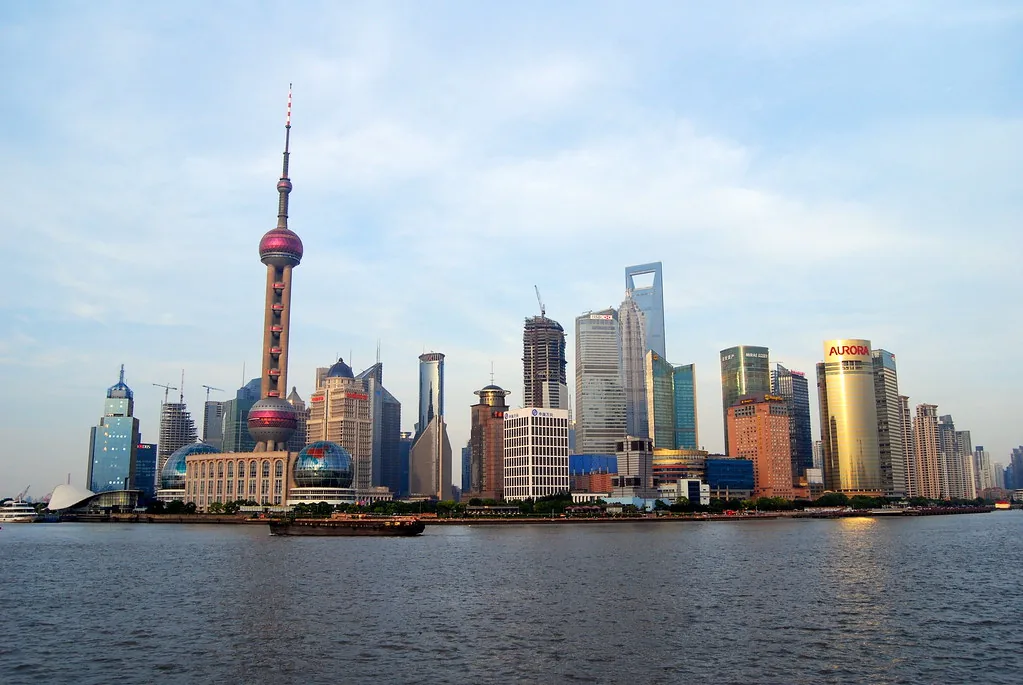
Average Cost of Living: $1,650/mo · Things To Do: 10/10 · Safety: 9/10 · Air Quality: 6/10 · Internet: 3/10 · Nightlife: 10/10
#2: Nanjing
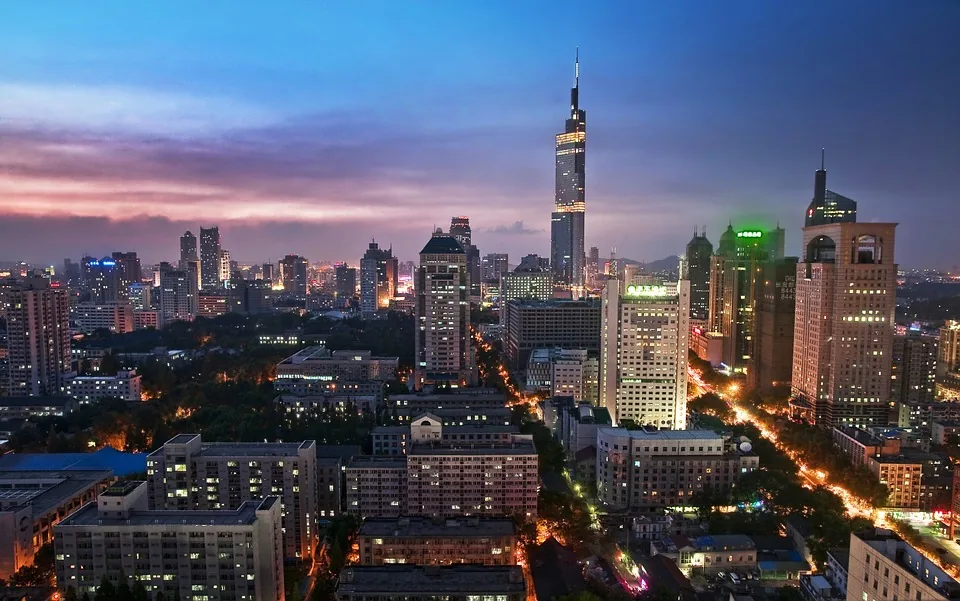
Average Cost of Living: $1,050/mo · Things To Do: 8/10 · Safety: 8/10 · Air Quality: 5/10 · Internet: 5/10 · Nightlife: 8/10
#3: Haikou
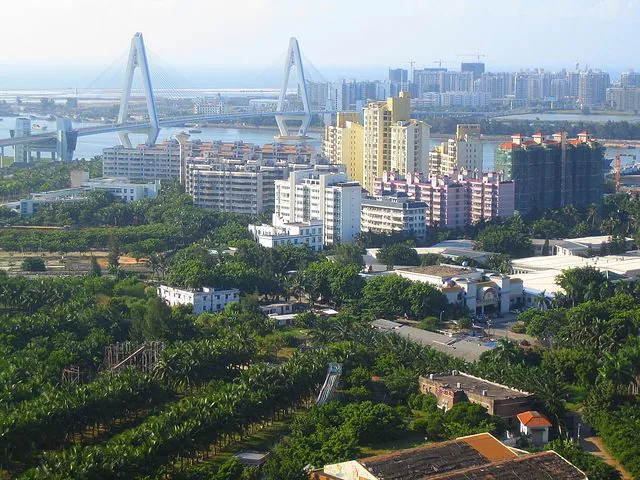
Average Cost of Living: $800/mo · Things To Do: 10/10 · Safety: 9/10 · Air Quality: 8/10 · Internet: 3/10 · Nightlife: 6/10
#4: Qingdao
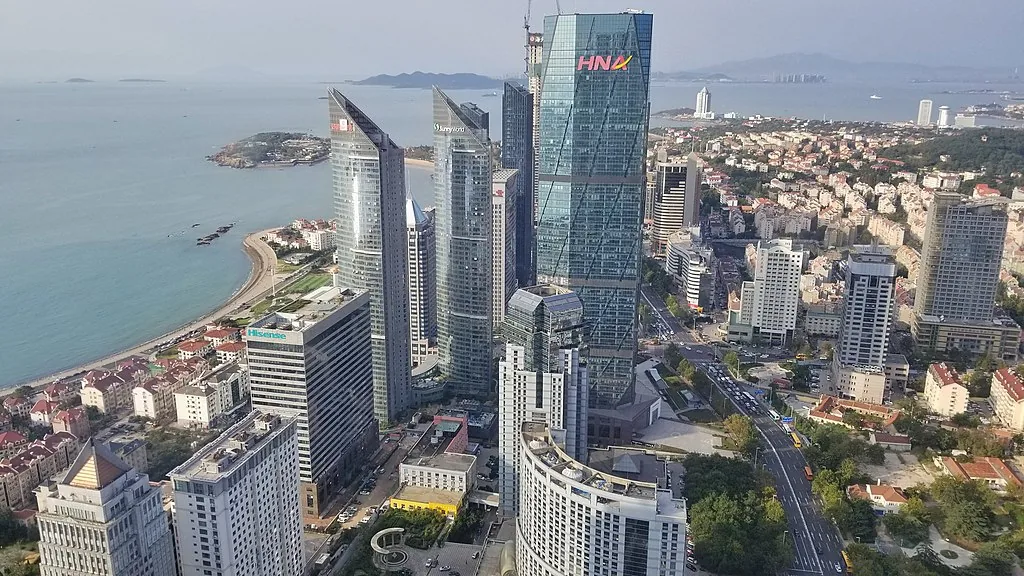
Average Cost of Living: $1,000/mo · Things To Do: 6/10 · Safety: 9/10 · Air Quality: 7/10 · Internet: 5/10 · Nightlife: 6/10
#5: Yangshuo
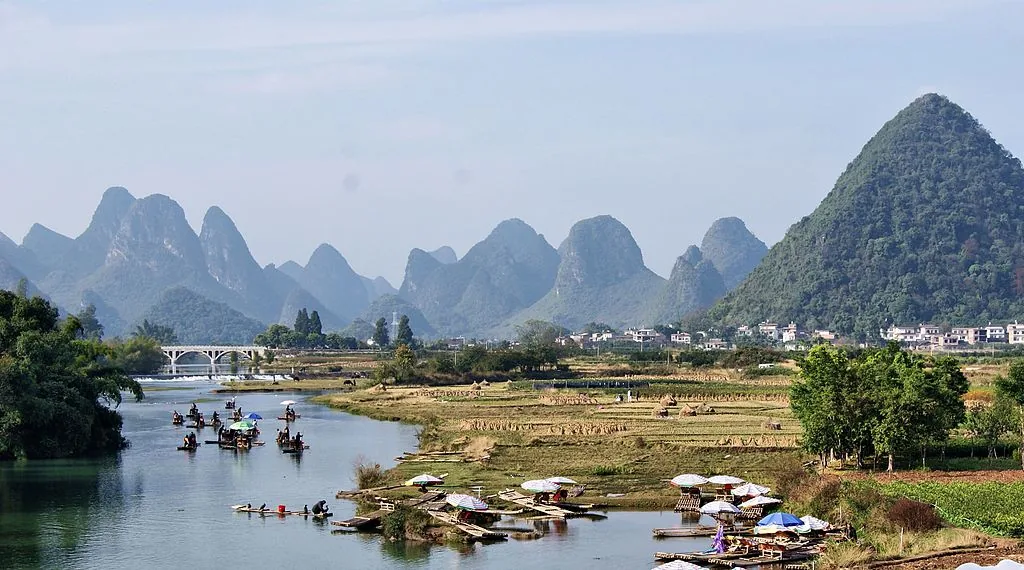
Average Cost of Living: $700/mo · Things To Do: 8/10 · Safety: 9/10 · Air Quality: 7/10 · Internet: 3/10 · Nightlife: 6/10
#6: Guiyang

Average Cost of Living: $850/mo · Things To Do: 4/10 · Safety: 9/10 · Air Quality: 6/10 · Internet: 3/10 · Nightlife: 6/10
#7: Shenzhen
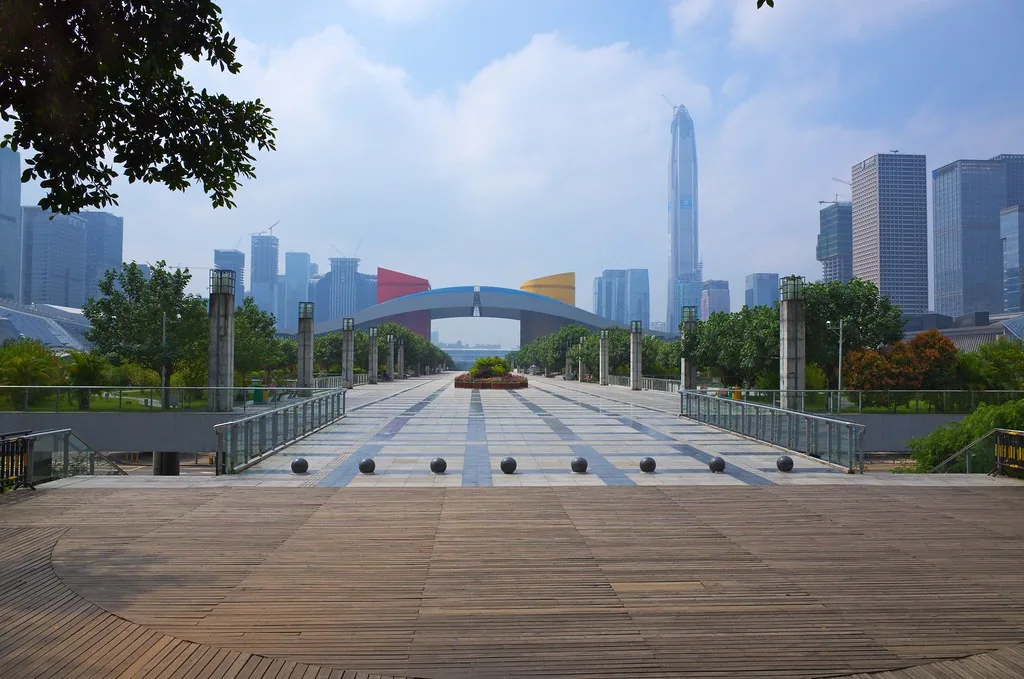
Average Cost of Living: $1,500/mo · Things To Do: 7/10 · Safety: 9/10 · Air Quality: 7/10 · Internet: 3/10 · Nightlife: 7/10
#8: Guangzhou
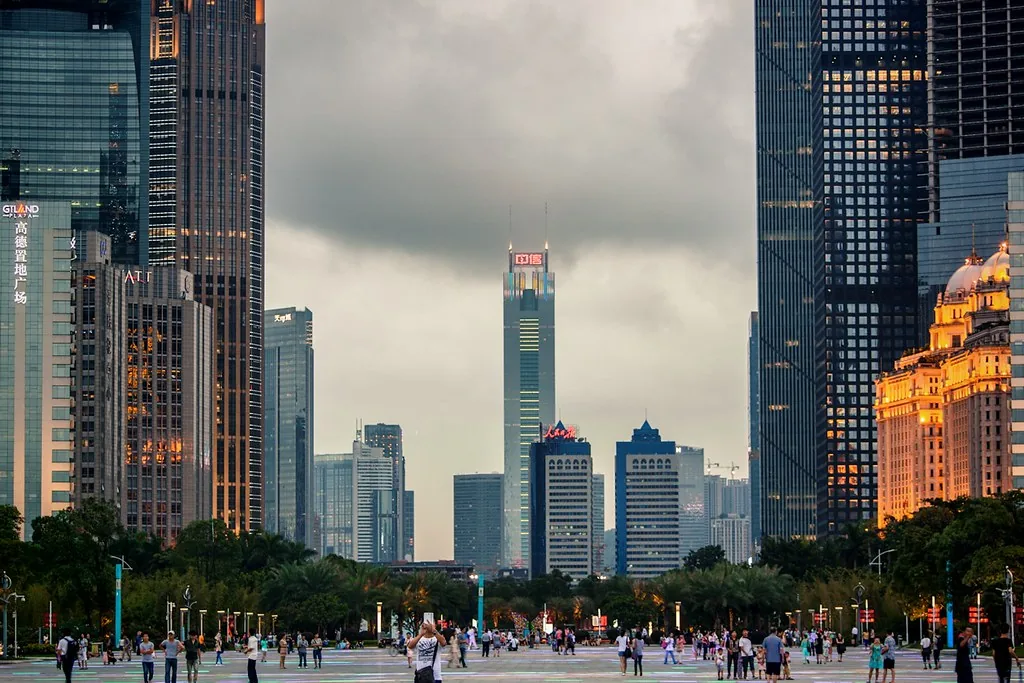
Average Cost of Living: $1,350/mo · Things To Do: 8/10 · Safety: 8/10 · Air Quality: 6/10 · Internet: 3/10 · Nightlife: 6/10
#9: Chongqing
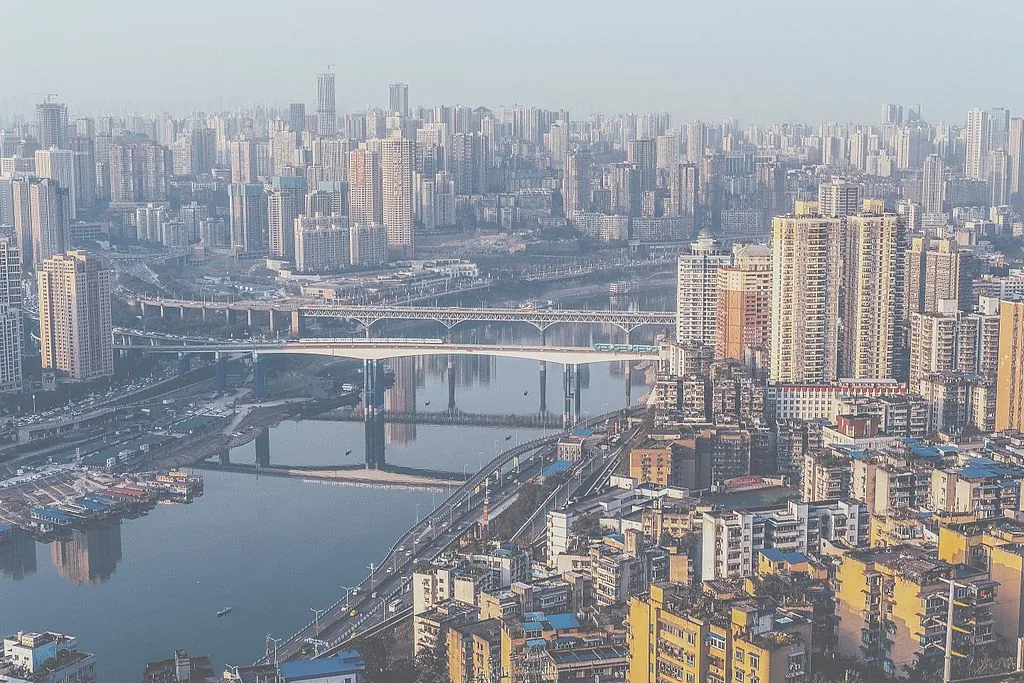
Average Cost of Living: $1,000/mo · Things To Do: 6/10 · Safety: 8/10 · Air Quality: 4/10 · Internet: 3/10 · Nightlife: 6/10
#10: Suzhou
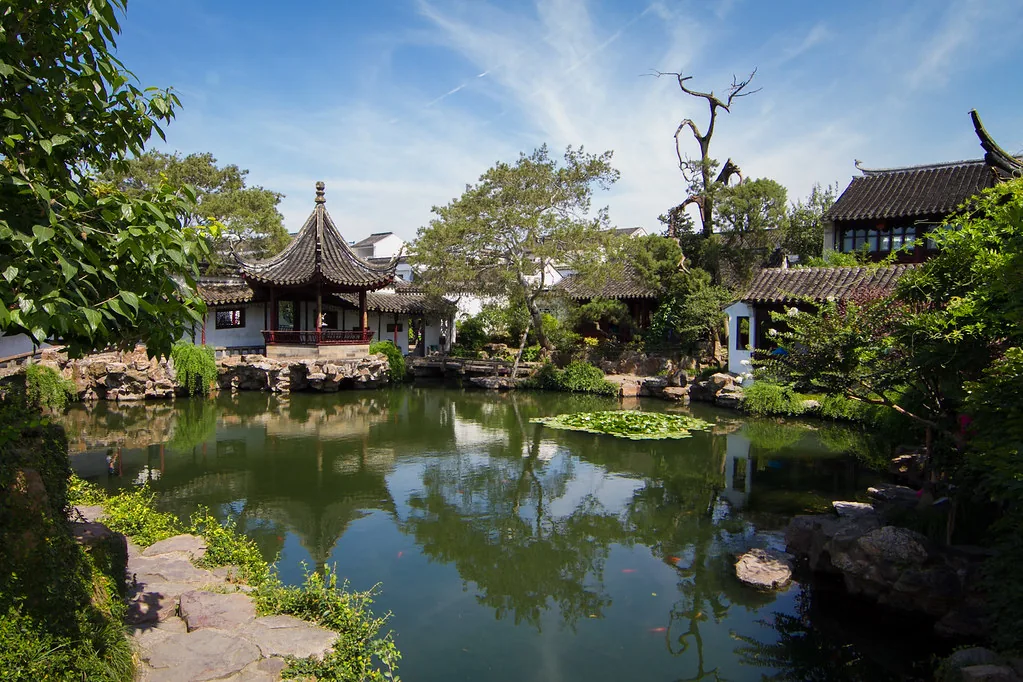
Average Cost of Living: $1,150/mo · Things To Do: 6/10 · Safety: 8/10 · Air Quality: 6/10 · Internet: 5/10 · Nightlife: 6/10
#11: Huai’an
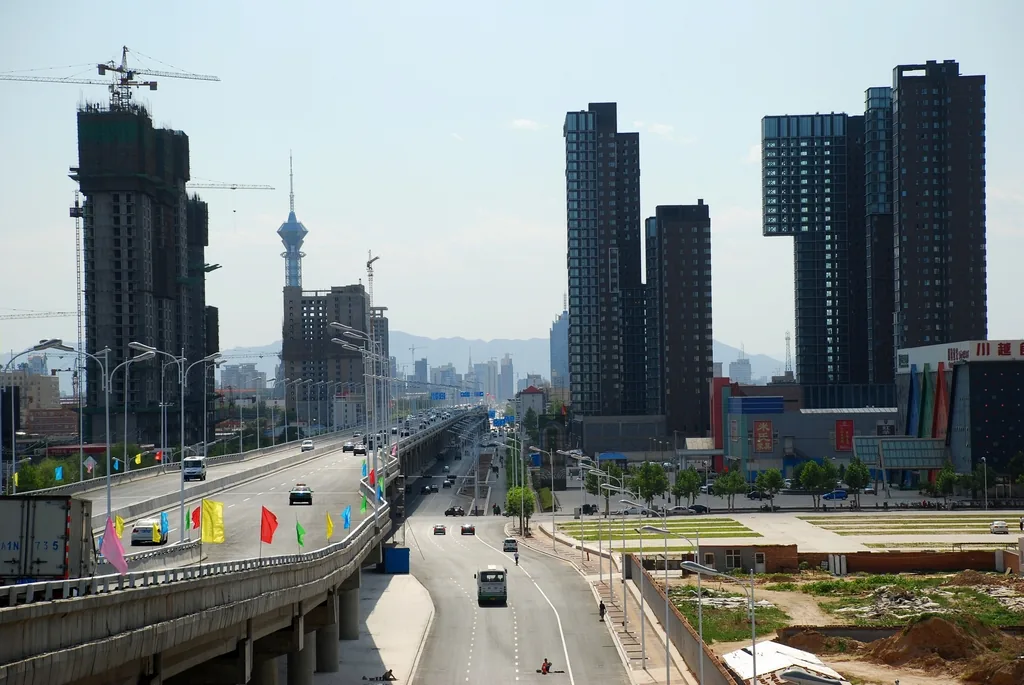
Average Cost of Living: $750/mo · Things To Do: 4/10 · Safety: 8/10 · Air Quality: 4/10 · Internet: 4/10 · Nightlife: 6/10
#12: Quanzhou
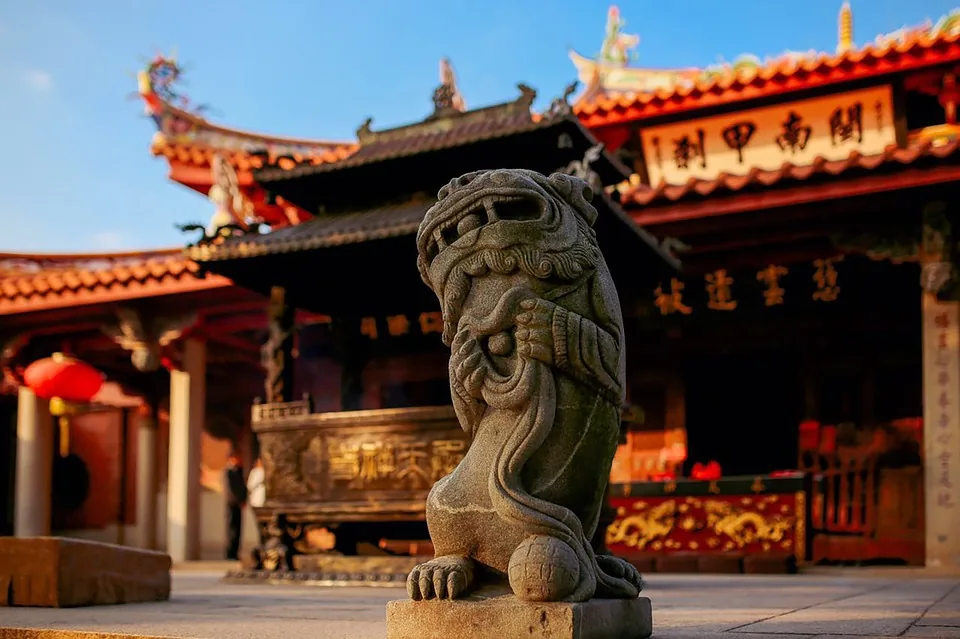
Average Cost of Living: $900/mo · Things To Do: 6/10 · Safety: 8/10 · Air Quality: 6/10 · Internet: 4/10 · Nightlife: 4/10
#13: Beijing
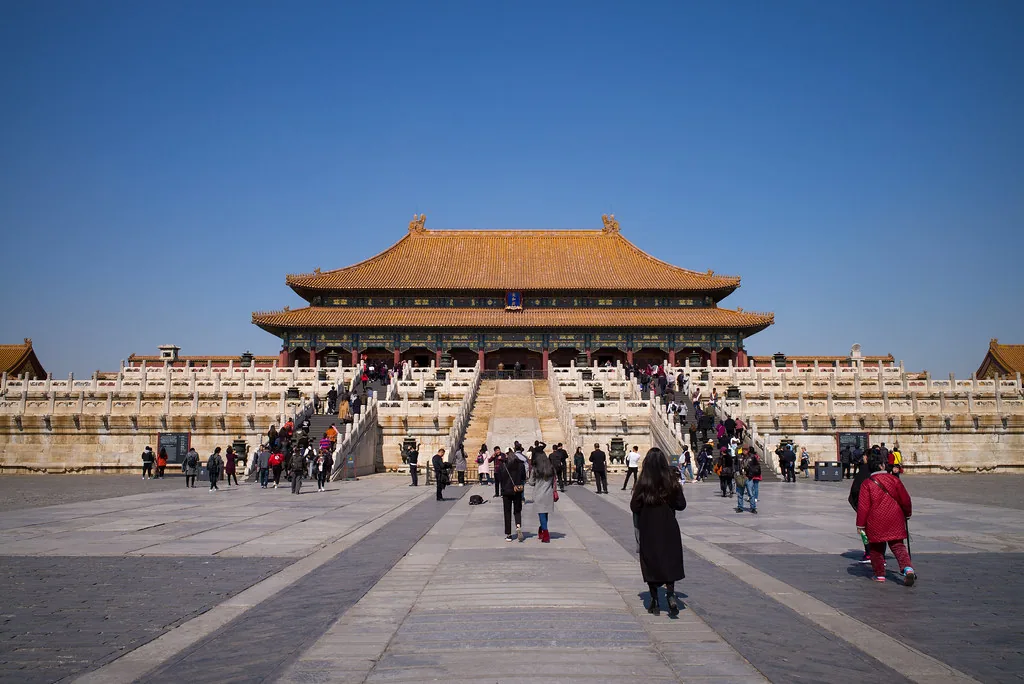
Average Cost of Living: $1,600/mo · Things To Do: 7/10 · Safety: 8/10 · Air Quality: 6/10 · Internet: 6/10 · Nightlife: 5/10
#14: Xiamen
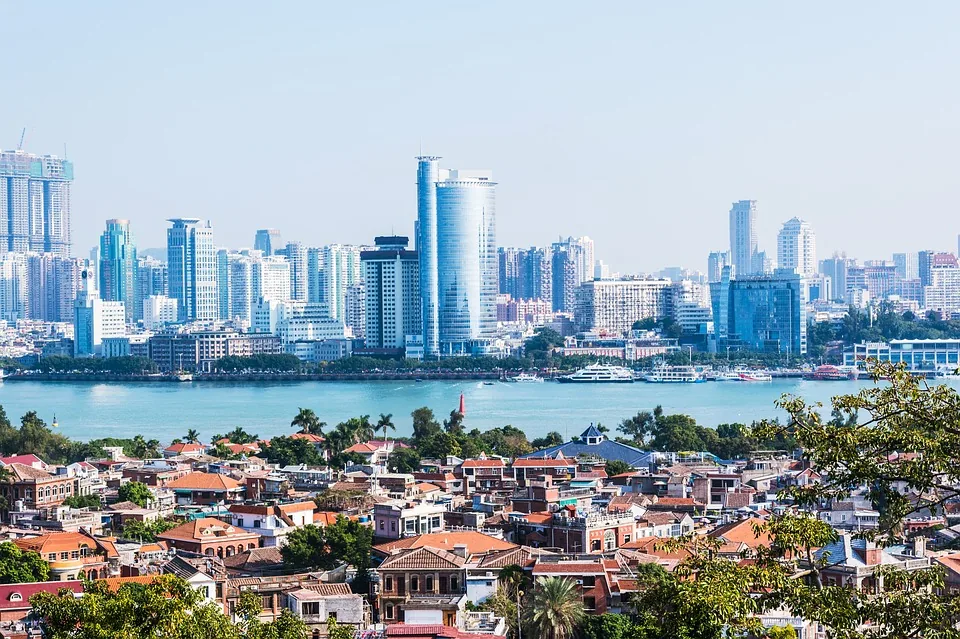
Average Cost of Living: $1,200/mo · Things To Do: 7/10 · Safety: 8/10 · Air Quality: 8/10 · Internet: 6/10 · Nightlife: 5/10
#15: Chengdu
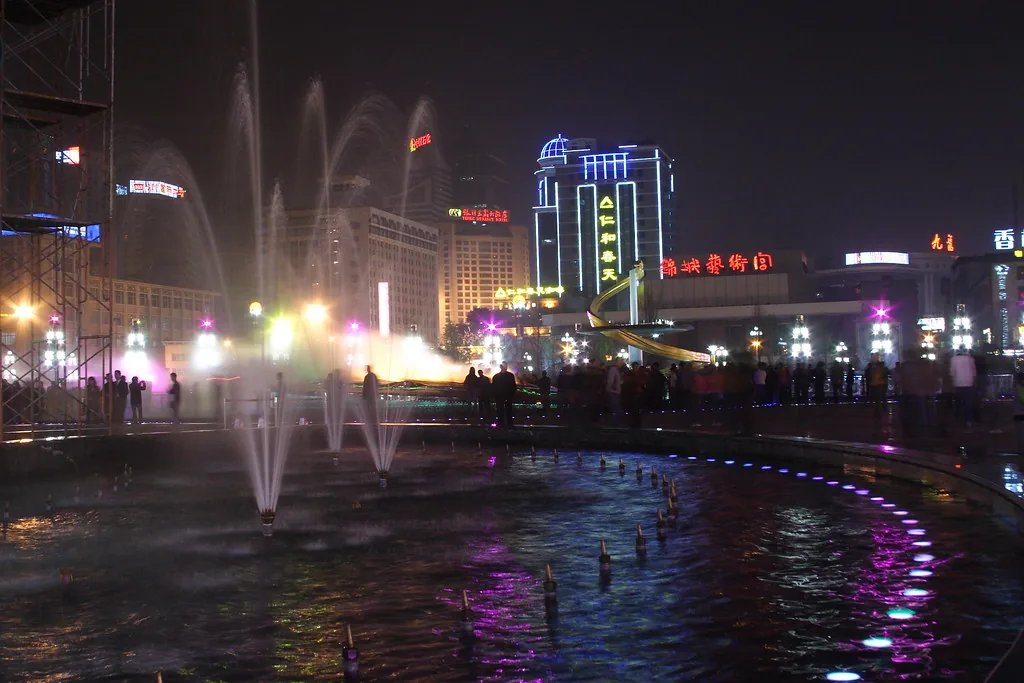
Average Cost of Living: $950/mo · Things To Do: 7/10 · Safety: 8/10 · Air Quality: 5/10 · Internet: 3/10 · Nightlife: 5/10
The Importance of Location
Location is the factor most newcomers underweight when choosing where to live in China. Beyond the job itself, what decides whether a city works for you is its size, population, climate, and level of economic development, plus where you end up living inside it. What follows is the trade-off between large, medium, and small cities, and how Chinese cities are laid out. Hong Kong and Macau run on different rules from the mainland, so they come at the end.
City Tiers In China
Every city in China belongs to a certain tier level. Beijing, Shanghai, Guangzhou, and Shenzhen are all first tier cities in China. These hold the most foreigners by far, and besides Hong Kong they are the only cities that read as international. Each has over 10 million people and is more developed than the rest of the country. More jobs mean more expatriates, and more services aimed at them: restaurants, shops carrying foreign products, and the rest. They tend to be cleaner and better kept than smaller cities. All other provincial capitals count as second-tier cities, and those arguably make the best places to retire in China.
- Chengdu
- Hangzhou
- Chongqing
- Nanjing
- Suzhou
- Wuhan
- Xi’an
These share much of the daily life of the first-tier cities and are strong bets for foreigners who want to live and work in China. The jobs are plentiful and these are also the fastest-growing cities in the country. Below them sit the third-tier cities, places like Zhongshan, Jiaxing, and Jiangmen: medium-sized at one to five million people, and more developed than towns and villages.
Third Tier Cities
They usually have fewer foreigners, fewer services aimed at foreigners, and fewer jobs than the bigger cities, but they are worth a serious look. They are generally the cheapest place to live in China. There are hundreds of them, and each tends to be distinct, with more character than the big cities. There is a quiet appeal to living in a city the size of Chicago that almost no one abroad has heard of. Third-tier cities like Zhongshan can also be very clean, especially in Guangdong, one of the cleanest provinces in China. Each city breaks into smaller districts that are themselves cities within the municipality. In Zhongshan, the central district is Shiqi. The surrounding Xiaolan, Sanxiang, and Zhongshangang are all districts within the larger whole, each with its own downtown, shopping malls, and colleges. These cities are smaller than the central city, but also hold opportunities. Generally, there will be more foreigners and opportunities in the central city. Within each district are dozens of villages depending on how large the area is.
Choose A Good Location
Where you live inside the city matters as much as the city itself. A base in the center of the central district puts restaurants, malls, and bars within a 10 to 15 minute walk, or a 10 to 15 RMB cab ride to anywhere in the central city inside 15 minutes. A place on the outskirts is a different life. A college on the edge of Nanchang, the biggest city in Jiangxi province, has a few student restaurants, bars, and arcades nearby, but reaching the real city means a 45-minute bus or a 75 RMB, 30-minute cab each way. Choose the central location.
Economic Development In China
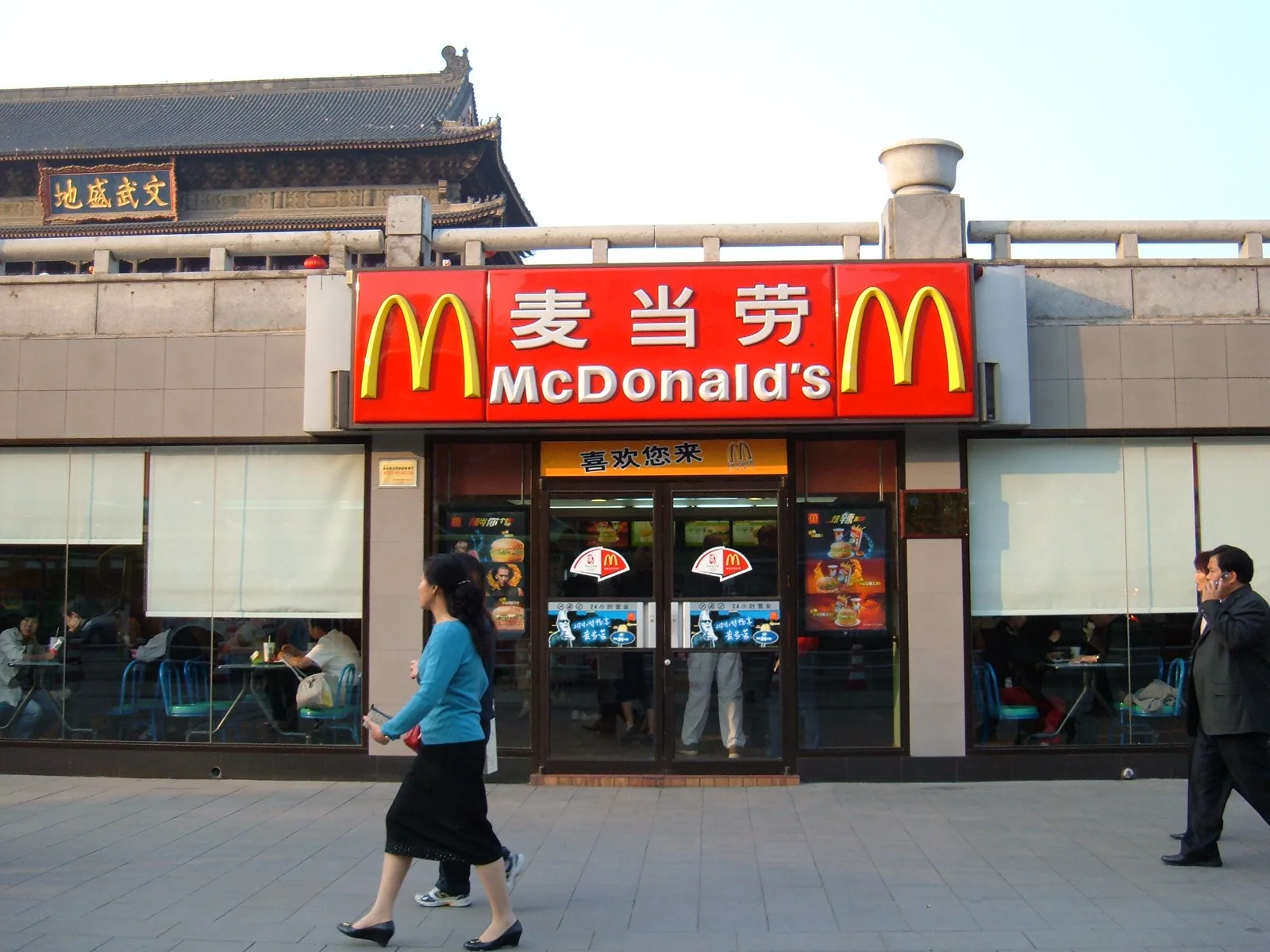
The daydream of moving to China often looks like a picturesque farm, tea with the neighbors morning and evening, and quiet days rolling past. Rural reality is closer to hard work in the mud and a heavy dose of culture shock. Some people take to that life; most are happier with a built-in network of amenities close at hand, western toilets, a McDonald’s, a foreign-foods aisle at the supermarket, and other foreigners within reach.
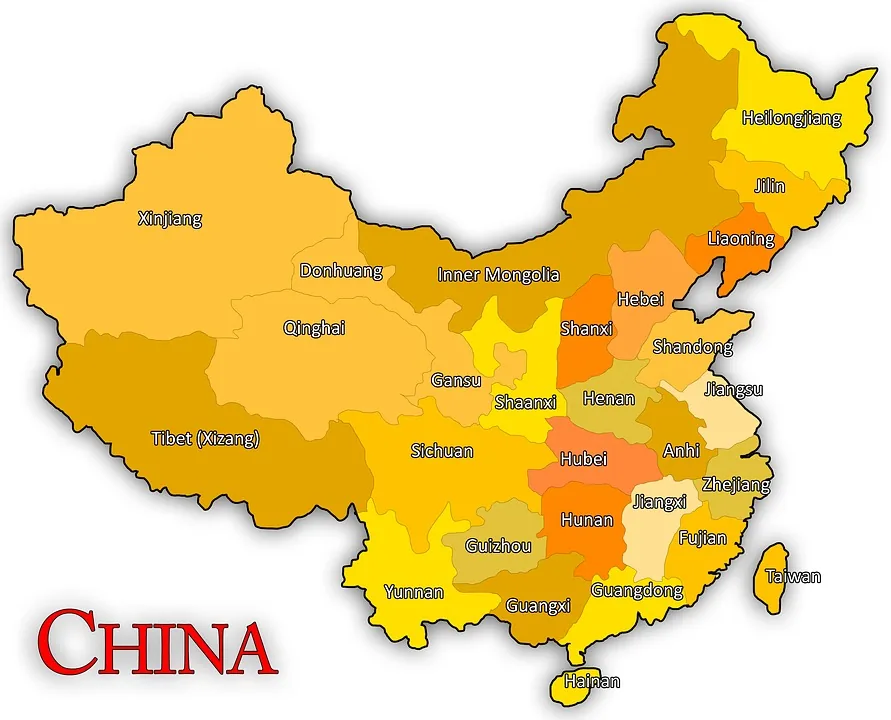
Cultural immersion happens wherever you land, and there is no shortage of it. Immersion is also tiring, though, and the people who last tend to be based in cities that are livable for foreigners rather than the ones who burn out and fly home early. You can think of China as being broken into two major areas in terms of prosperity: Eastern Coast and Interior. The provinces of Guangdong, Zhejiang, Jiangsu, and Fujian are the wealthiest. The first, second, and third tier level cities in these provinces will all be fairly developed. As you move towards the interior the bigger and smaller cities will be less and less developed. If you are looking for adventure in one of China’s smaller cities or villages, the interior is a good bet. There are lots of smaller third tier cities here that have most western amenities but are explored by few foreigners. Almost all of China’s provinces are mountainous and these areas, while usually the poorest, are the most beautiful. Kunming, in Yunnan, or Chengdu, in Sichuan, are good choices for someone who wants to live in a city but be close to the countryside and getaways like the Silk Road and Mount Everest.
Living in Hong Kong and Macau
Hong Kong and Macau are technically a part of China, but the cultures and economies are very different from mainland China’s. While mainland China will feel like another world compared with where you are from, Hong Kong and Macau will have a way of life that doesn’t feel too different from somewhere like London or Los Angeles. These cities both have a relatively western feel to them. This isn’t to say Hong Kong lacks its Asian roots. In some ways the Chinese tradition is preserved much better in Hong Kong than it is in mainland China. Think of Hong Kong as a cross between mountainous tropical islands and New York City with Chinese culture. The cost of living in Hong Kong is much higher than in mainland China. A very small one-bedroom apartment in an average area of Hong Kong will cost at least $1,000 USD per month and probably a lot more. Salaries, however, will not be that much higher than in a city like Shanghai or Beijing. Macau is small and, gambling aside, fairly quiet.
Climate
Climate is worth weighing too. If you would rather not spend months stuck indoors under a coat, aim south. China is a huge country, longer from north to south and east to west than the United States, so its climate varies enormously.
Southern China
Guangzhou and Hong Kong in southern China are at roughly the same latitude as Mexico City and winters are relatively mild. November through January is the ideal time to be in southern cities like Zhongshan or Shenzhen since temperatures are between 10 and 20 degrees Celsius. Although the winters are not very cold, they are wet, and apartments in southern China are not heated very well. You will feel the cold from January to March. The summers are hot and wet, and with the rainy season running April through August, it rains often. Mornings tend to be clear, then it clouds over around noon and rains for an hour before clearing again. In peak summer it sits near 30 degrees Celsius and is humid enough that three or four showers a day feels normal.
Eastern China
Shanghai is at around the same latitude as Houston, Texas, United States and it is cold in the winter. It gets snow though not a lot. Like in southern China, most of the buildings aren’t heated. Space heaters are still generally used. The summers are extremely hot though not as humid as in southern China.
Northern China
Beijing is at the same latitude as Chicago or New York and has the same weather, being hot in summer and cold in winter. As with most parts of the world these days, seasons like spring and autumn in Beijing have been reduced to four to six weeks.
Western China

Yunnan, in the southwest against Tibet and Myanmar, shows how much the west can vary. In winter the northern mountains near Dali stay cold but only dip below freezing at night, with sunny days over the rubber-tree plantations and ridgelines. At the province’s southern tip, Jinghong, the capital of Xishuangbanna, sits at Hong Kong’s latitude on the Laos border. Xishuangbanna is sometimes called “China’s Thailand”, and in many places it looks and feels the part. Winter there is superb, around fifteen degrees Celsius.
Choosing a Random City
For all the planning, plenty of people end up thriving in a city they had never heard of and picked almost by accident. Zhongshan is a good example: an unremarkable choice on paper that turns into a favorite once you actually live there. Weigh the tiers, the location, and the climate, then stay open to being surprised.
Your dates. My quote.
Twelve hours.
Send your cities, dates and product list. You'll get a fixed written quote, no obligation, no deposit to ask.
superinterpreter · selina@mychinainterpreter.com · Xiamen, China · UTC+8