Top 10 Must-Visit Destinations in China
The top must-visit destinations in China run from the Great Wall and the Forbidden City to Guilin's karst rivers and Chengdu's pandas. Here are ten places a first-time traveler should plan the itinerary around, with the best time to go and how to reach each one.
 Selina Chen 陈丽明 EN ⇄ 中文 · Travel guide
 China rewards a first trip more than almost anywhere. This guide runs through ten of the top must-visit destinations in China, roughly in the order most travelers string them together, and says why each one earns the detour, what to see there, when to go, and how to get in. Spring (April to May) and autumn (September to late October) are the two windows worth building a trip around: mild, drier, and clear of the summer heat and rain. High-speed rail now links most of these cities in a few hours, so a two-week itinerary can take in four or five of them without a single internal flight.
Beijing: the heart of China’s history
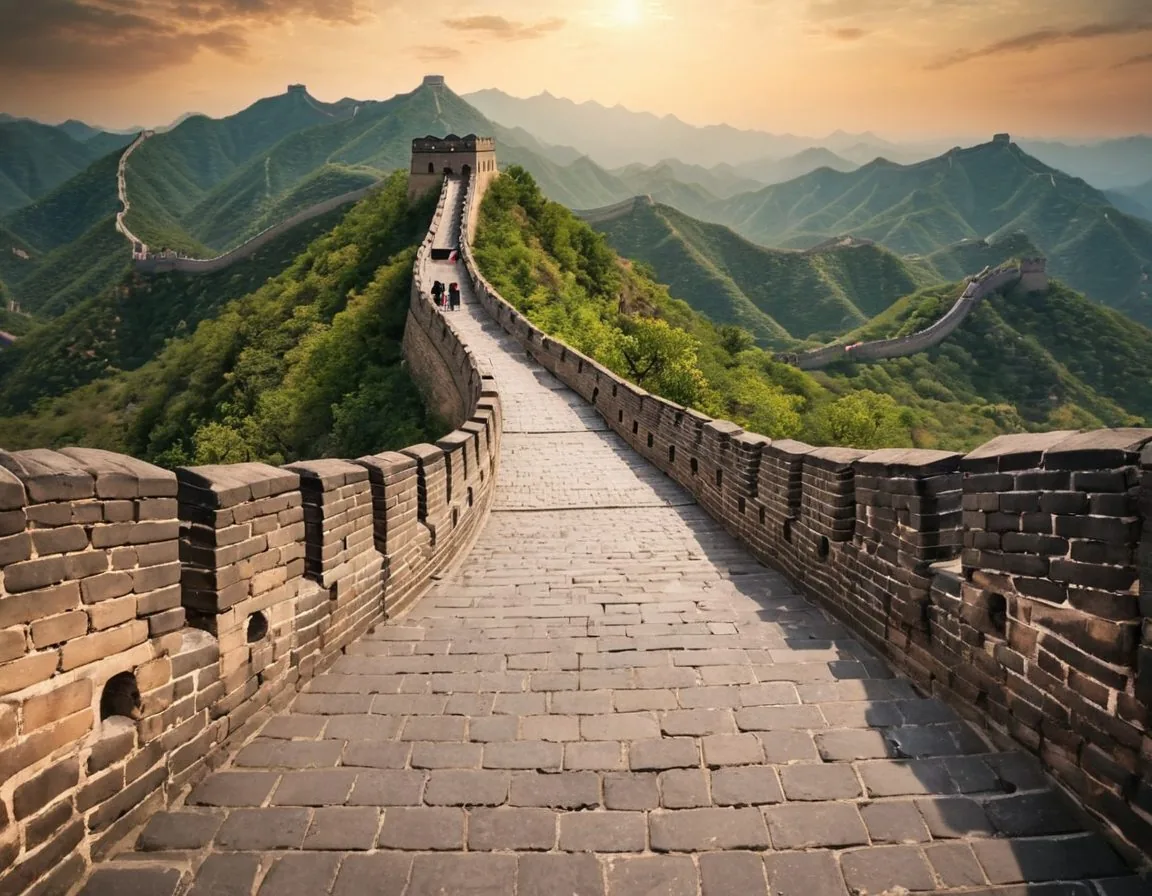
Beijing is where ancient capital and modern superpower sit on top of each other, and it is the natural first stop for a first-time traveler. The Great Wall of China is the reason most people come, and the two restored sections nearest the city could not be more different: Badaling is the most famous and the busiest, reached by a direct train in under an hour, while Mutianyu is greener, less crowded, and has a cable car and a toboggan run down. In the city itself, the Forbidden City is the largest palace complex still standing anywhere in the world and a UNESCO World Heritage site, the Temple of Heaven is the Ming dynasty’s high point of ritual architecture, and Tiananmen Square sits directly in front of the palace gates. Leave an evening for the food and lit-up shopping streets around Wangfujing.
Best time to go is autumn, when the skies are clearest and the wall is not baking. Beijing has two international airports and is the northern anchor of the high-speed rail network, so almost every other city on this list is reachable by train from here. A knowledgeable Beijing tour guide turns the wall and the palace from a long queue into a paced day with the history filled in.
Shanghai: a glimpse of modern China
Shanghai is the money and the future, and it wears both well. Stand on the Bund at dusk to see the whole argument in one view: the colonial-era banks and trading houses of the 1920s on one bank, the neon towers of Lujiazui on the other. Cross the river for the observation deck of the Shanghai Tower, which at 632 meters is the tallest building in China and the third tallest in the world (Dubai’s Burj Khalifa and Kuala Lumpur’s Merdeka 118 are the only two taller). Then slow down: the classical Yu Garden in the old town, and the plane-tree streets, cafes, and boutiques of the former French Concession, are the counterweight to all that glass.
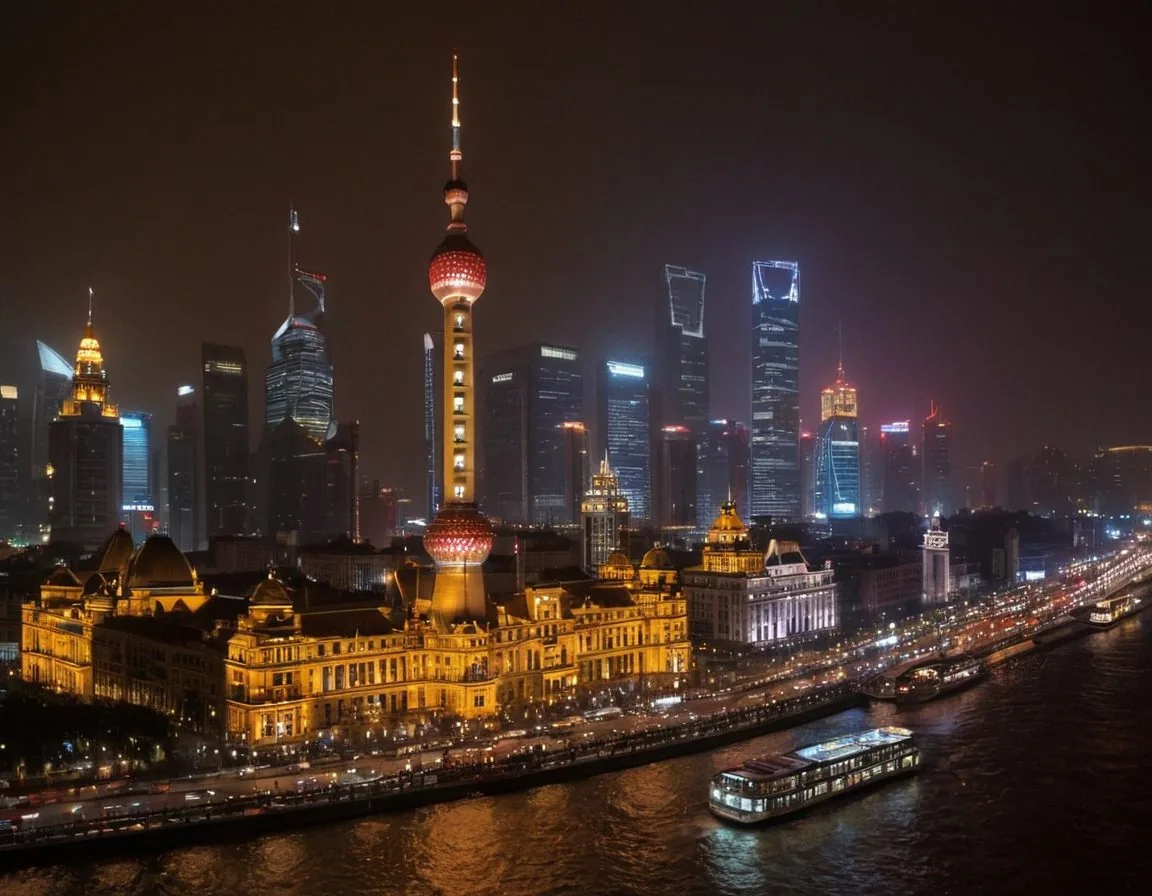
Shanghai is comfortable most of the year, with a hot, humid summer and a mild winter; spring and autumn are the pick. Two airports connect it to the world, and high-speed trains reach Hangzhou or Suzhou in well under an hour. For anyone here on business rather than sightseeing, Shanghai interpreter services make the difference between a meeting that happens and a meeting that lands.
Xi’an: the ancient capital
Xi’an was the capital of China for more than a thousand years and the eastern end of the Silk Road, and it still feels like the country’s front door to the past. The draw is the Terracotta Army, the thousands of life-sized clay soldiers found in 1974 by farmers digging a well, each one modeled with a different face, standing guard over the tomb of Qin Shi Huang, China’s first emperor. Back in town, the Ming-era City Wall is one of the best-preserved in the country and wide enough to cycle the full 14-kilometer circuit, the Big Wild Goose Pagoda dates to the Tang dynasty, and the lantern-lit Muslim Quarter is the best street food in this half of China.
Spring and autumn are kindest; summer is punishing. Xi’an is a two-to-three-hour bullet train from Beijing and sits on the main line west, so it slots neatly between the capital and Chengdu. A Xi’an tour guide is worth it here more than almost anywhere, because the terracotta pits mean far more with someone explaining what you are looking at.
Guilin: nature’s masterpiece
Guilin is the postcard: limestone peaks rising straight out of flat green paddies, the landscape that Chinese ink painters have chased for centuries. The classic way to see it is the Li River cruise from Guilin down to Yangshuo, roughly 83 kilometers and four to five hours through the most photographed karst scenery in China. Around Yangshuo, rent a bike or a bamboo raft on the quieter Yulong River. North of the city, the Longji (Dragon’s Backbone) Rice Terraces are cut into whole mountainsides and look their best when the paddies are flooded and mirror-bright in late spring, or gold at the autumn harvest.
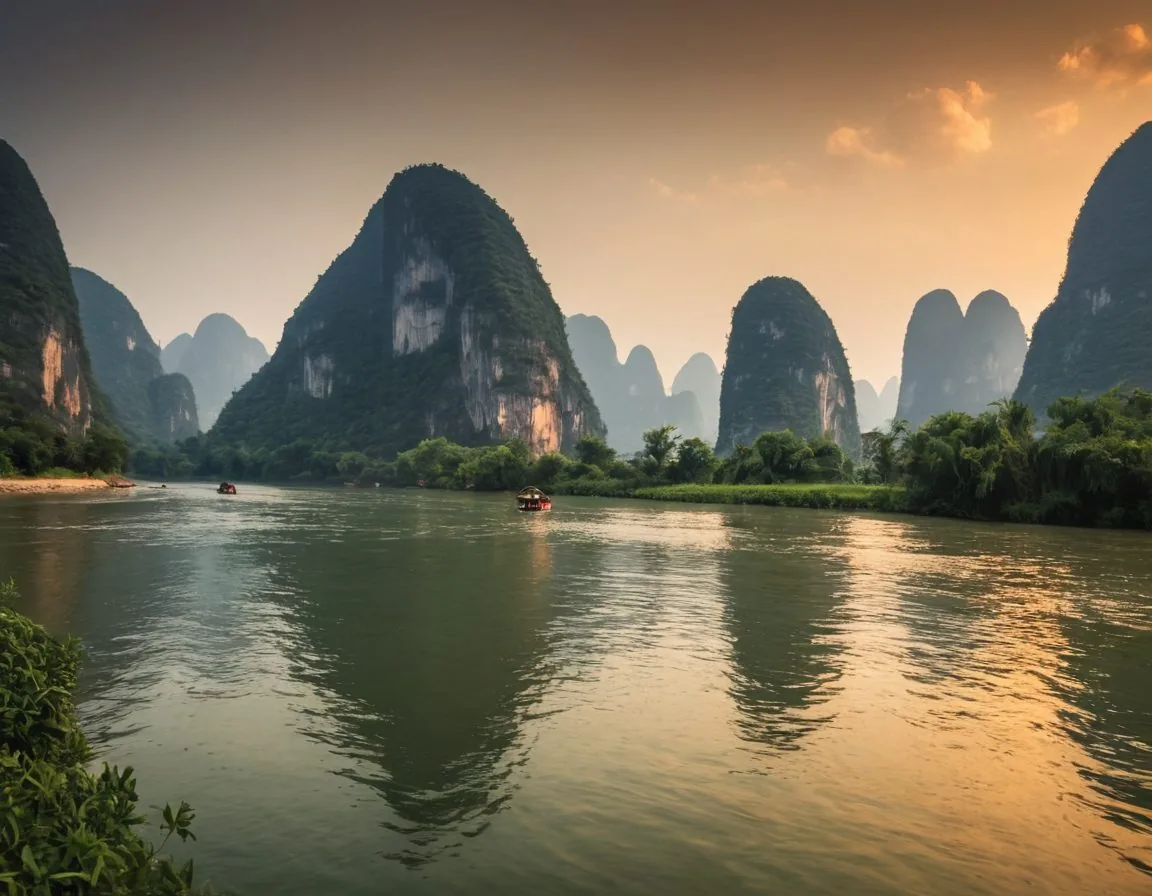
Aim for April to October, and know that the cruise runs faster and higher in the wetter early-summer months. Guilin has its own airport and a high-speed rail station; it is a longer haul from the northern cities but easy to fold into a southern loop. It is a place to explore with the help of local guides who know which river bends and which terraces are worth the early start.
Chengdu: the home of giant pandas
Chengdu is China at its most relaxed, a city that runs on tea houses, mahjong, and some of the best food in the country. The headline is the pandas: the Chengdu Research Base of Giant Panda Breeding on the northern edge of the city is a genuine conservation center, and the animals are most active in the cool of the morning, so go early. The rest of Chengdu earns its own days. Sichuan hot pot is a rite of passage, the Wuhou Shrine honors the heroes of the Three Kingdoms, and Jinli Ancient Street is the easiest introduction to old-town snacking.

Chengdu is mild but often overcast; spring and autumn are the most pleasant, and the pandas do not mind either way. The airport connects widely, and Chengdu is the natural jumping-off point for western Sichuan and the road to Tibet. Because the local dialect and the spice levels can both catch visitors out, a Chengdu interpreter earns its keep in the markets and at the hot pot table.
Hangzhou: paradise on earth
“Above there is heaven, below there is Hangzhou,” goes the old line, and West Lake is the reason. A UNESCO World Heritage landscape ringed by causeways, arched bridges, pagodas, and willow gardens, it has been the model for the classical Chinese idea of scenic beauty for a thousand years; walk or cycle the shore, or take a boat to the islands. Above the lake, Lingyin Temple is one of the oldest and largest Buddhist temples in the country, and the hills behind it grow the Longjing (Dragon Well) green tea that you can taste at source in villages like Meijiawu.
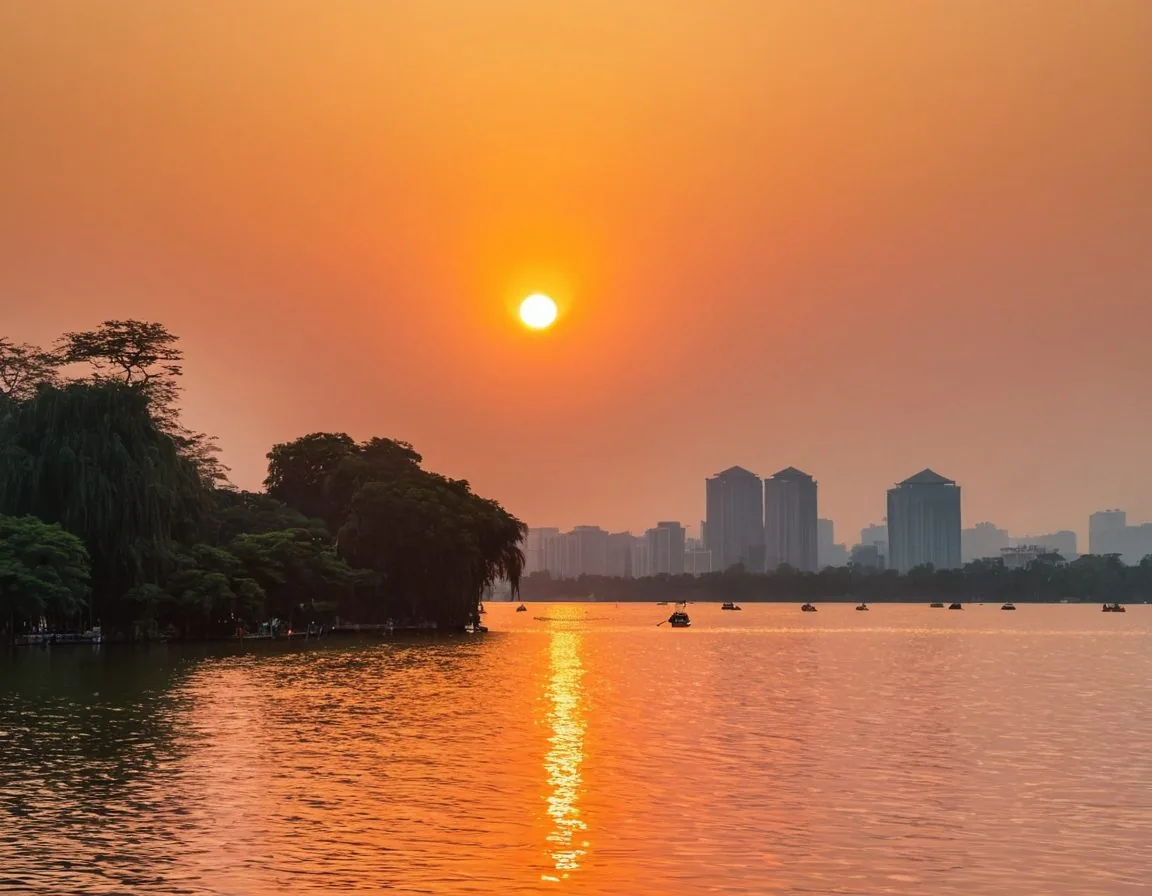
Spring and autumn are best, and the lake is loveliest in the soft light of early morning before the crowds. Hangzhou is barely an hour from Shanghai by high-speed train, which makes it the easiest short escape on this list. A Hangzhou tour guide can point you past the busiest stretch of shoreline to the tea hills and quieter temples most day-trippers miss.
Suzhou: the Venice of the East
Half an hour from Shanghai, Suzhou trades skylines for water and stone. The city’s Classical Gardens are a UNESCO World Heritage group, and the two to prioritize are the sprawling Humble Administrator’s Garden and the intricate Lingering Garden, both masterpieces of the Chinese art of framing a whole landscape inside a courtyard. Beyond the gardens, the old town is laced with canals, and a boat ride through the historic quarter, or an afternoon in a nearby water town like Tongli, shows you the Jiangnan that the gardens were built to distill.
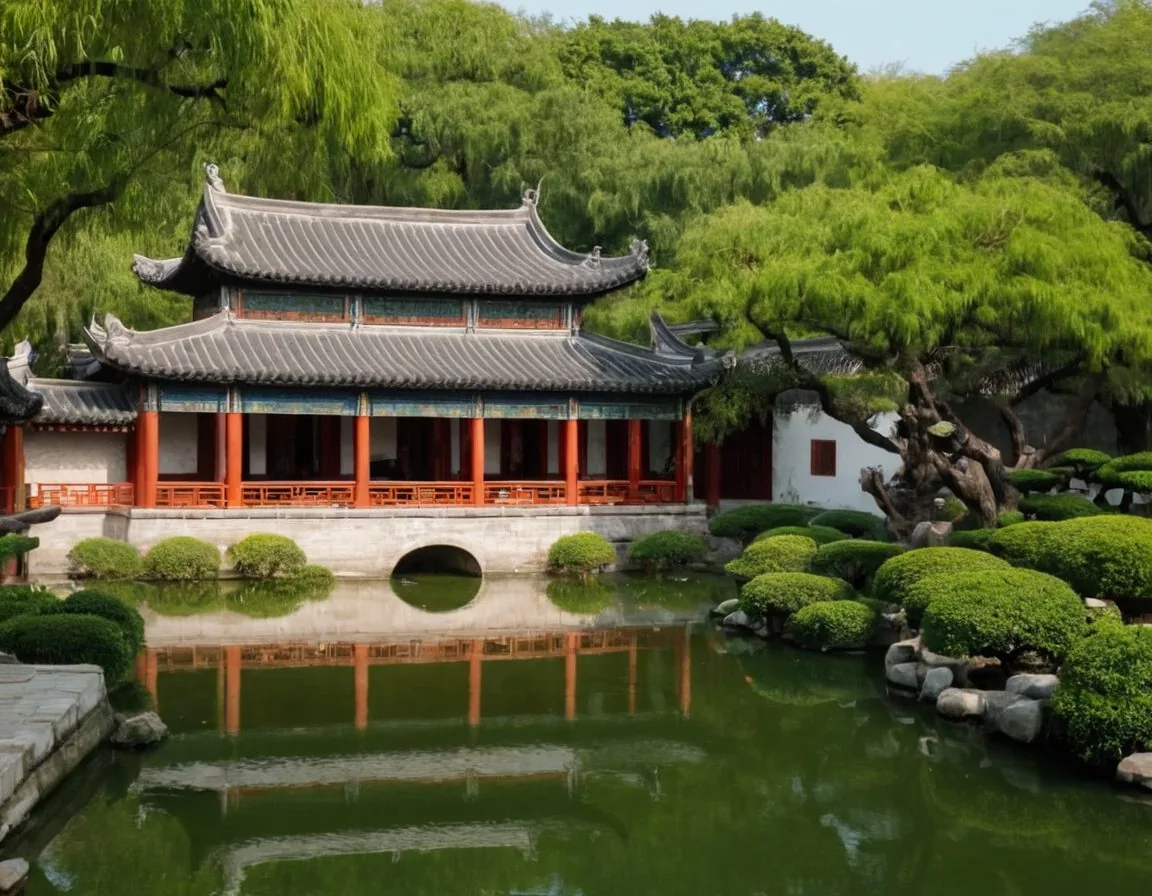
Visit April to October; the gardens are at their fullest in spring and their most colorful in autumn. Suzhou is a 25-minute bullet train from Shanghai, so many travelers do it as a day trip, though it rewards an overnight. A guide who knows the gardens will read the poetry in the rockeries and the borrowed views that are easy to walk straight past.
Hong Kong: the city of lights
Hong Kong is the most familiar of China’s cities to a first-time visitor and still one of the most dramatic. Ride the tram or take the escalators up to Victoria Peak for the view down over the harbor and the wall of towers, then drop back into the neon and market stalls of Mong Kok. When the pace gets much, Repulse Bay has the beaches, and Lantau Island has the Tian Tan (Big) Buddha at Ngong Ping, reached by a long cable-car ride over the hills. Clear months, roughly October to March, are the best time to actually see the Buddha’s face rather than the cloud around it.
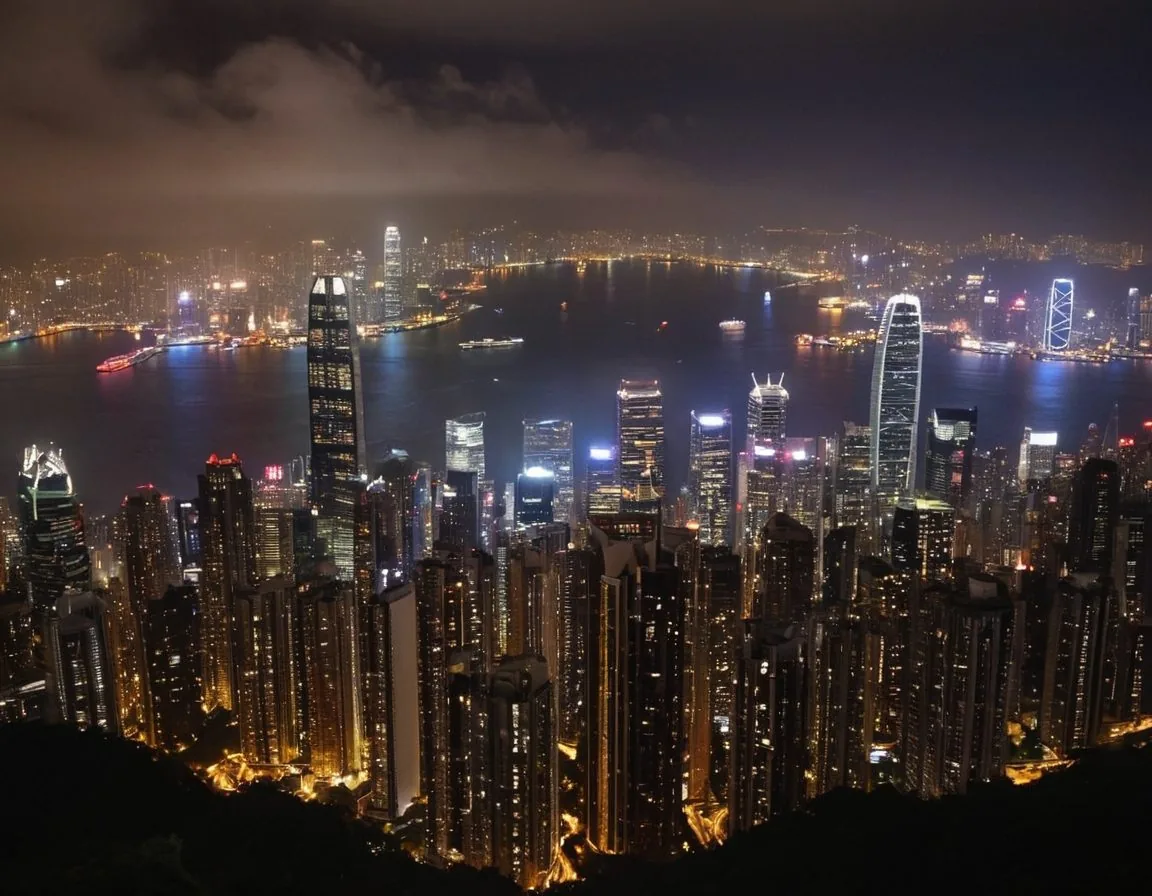
Hong Kong is warm year-round and steamiest in summer’s typhoon season. Its airport is one of the busiest in the world, and high-speed trains now run straight into mainland Guangdong. A Hong Kong tour guide can thread the Peak, the harbor front, and Lantau into a single well-timed day.
Lhasa: the spiritual heart of Tibet
Lhasa sits at about 3,700 meters, and the altitude is part of the experience: this is a city that asks you to slow down. The Potala Palace, the former winter home of the Dalai Lamas, rises off Red Hill above the city and is one of the great buildings on earth, while the Jokhang Temple is the holiest site in Tibetan Buddhism, circled all day by pilgrims turning prayer wheels along the Barkhor.
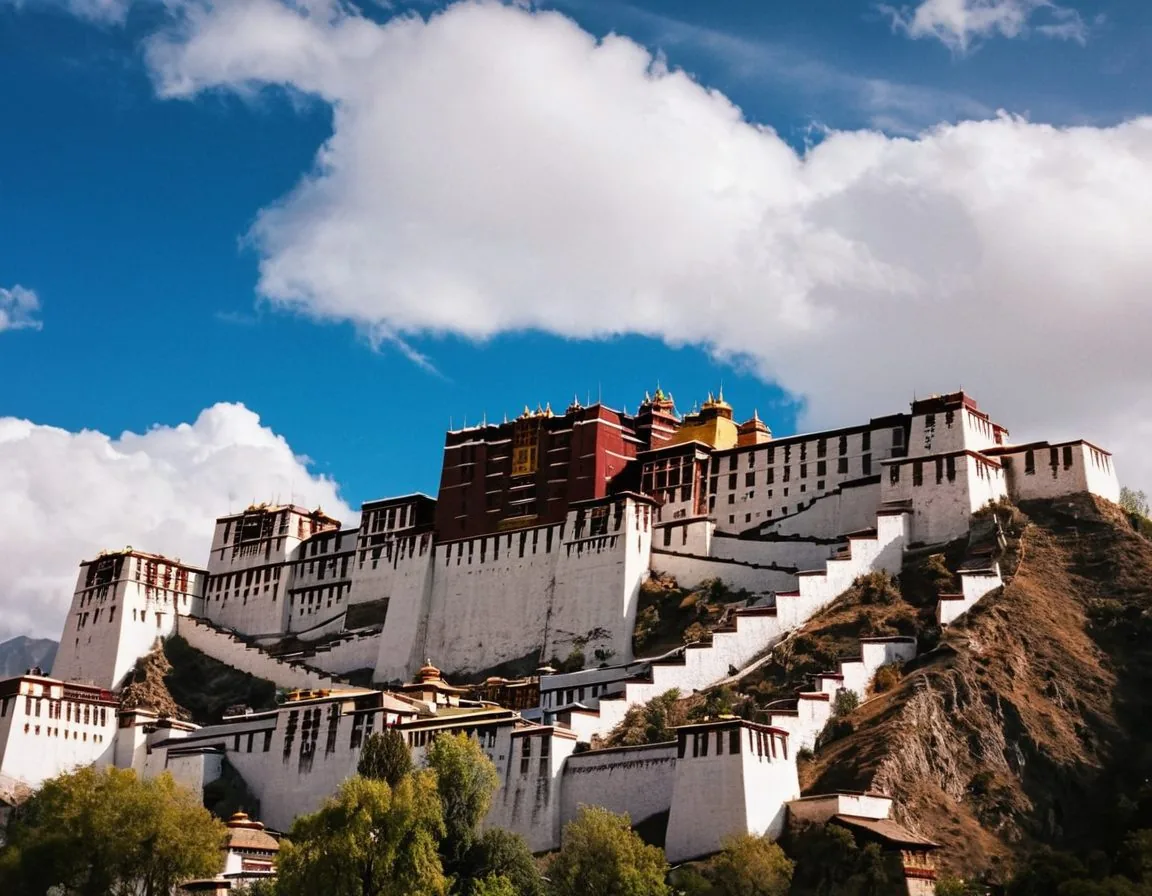
Late spring through early autumn is the practical window; give yourself a day or two to acclimatize before doing anything strenuous. Foreign visitors need a Tibet Travel Permit and must travel with an organized tour, so this is the one destination on the list you cannot simply book yourself. A dedicated Lhasa guide handles the permits and the pace, and makes sense of a religious culture that is genuinely unlike anywhere else in China.
Zhangjiajie: the Avatar mountains
Zhangjiajie is the strangest landscape in this guide and one of the best reasons to get off the standard circuit. The sandstone pillars of the Zhangjiajie National Forest Park are the ones that inspired the floating “Hallelujah Mountains” of the film Avatar, and on a misty morning, with the columns half-lost in cloud, you understand why. The Bailong Elevator, the tallest outdoor lift in the world at 326 meters, carries you straight up the rock face, and the Grand Canyon Glass Bridge hangs hundreds of meters above the valley floor for anyone whose nerves can take it.
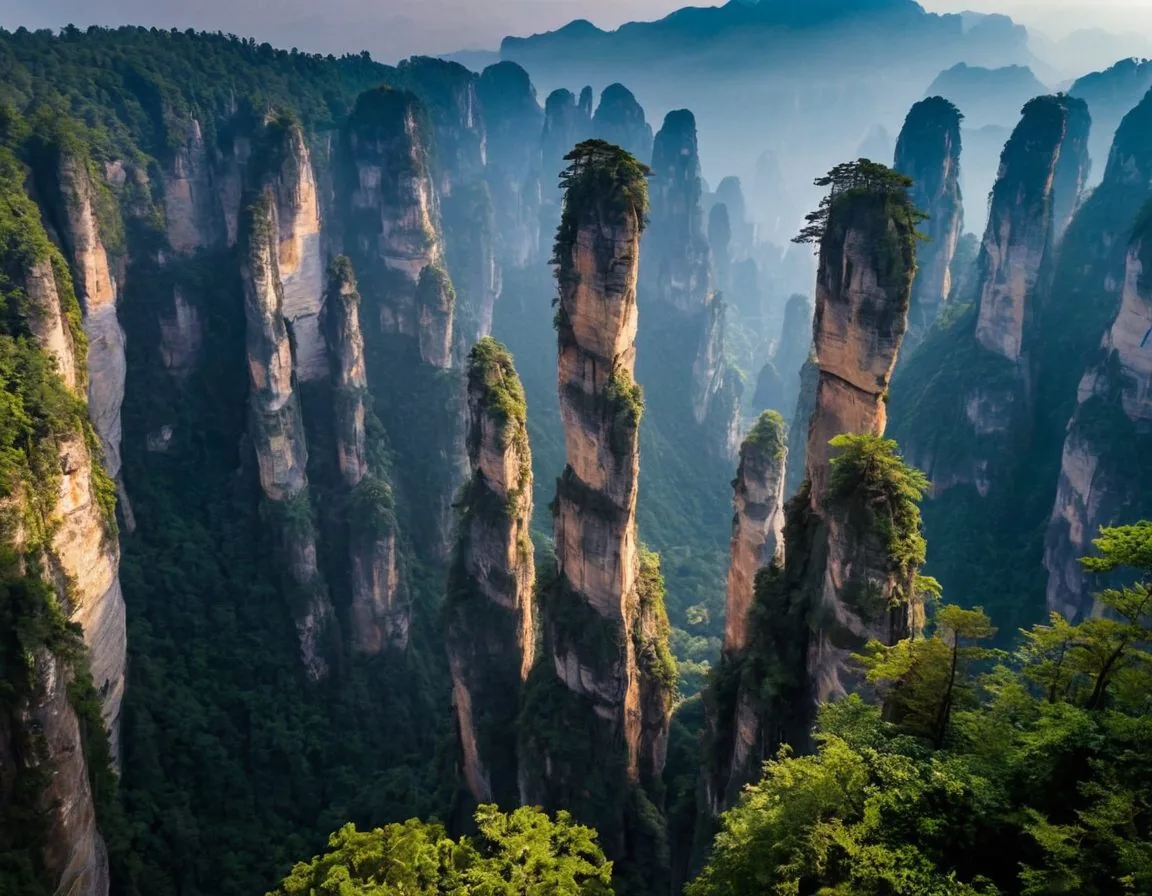
Spring and autumn give the best mix of clear views and rolling mist; summer is busy and can be hazy. The park is large and the trails are many, so a local guide is the difference between seeing the famous viewpoints and getting lost between cable-car queues.
Planning a trip around the top must-visit destinations in China
You do not need to see all ten in one visit. A first trip usually strings together three or four of the top must-visit destinations in China along the high-speed rail spine, Beijing to Xi’an to Chengdu, or Shanghai out to Hangzhou, Suzhou, and Guilin, and saves the harder-to-reach places like Lhasa and Zhangjiajie for a second time around. Book train tickets in advance for spring and autumn, when domestic travel peaks, and steer clear of the October 1 National Day week and Chinese New Year if you can, when the whole country is on the move. For anything beyond sightseeing, from a factory visit tacked onto a Guangzhou stopover to a contract meeting in Shanghai, an interpreter who knows the city turns a good trip into a productive one.
Your dates. My quote.
Twelve hours.
Send your cities, dates and product list. You'll get a fixed written quote, no obligation, no deposit to ask.
superinterpreter · selina@mychinainterpreter.com · Xiamen, China · UTC+8