Top 7 Ancient Chinese Cities That Still Exist Today
Chinese civilization is one of the oldest on the planet, with over 3,000 years of recorded history. These are the seven ancient Chinese cities that still stand today, and the dynasties that shaped them.
 Selina Chen 陈丽明 EN ⇄ 中文 · City info
 China has over 3,000 years of history, and several of its ancient cities are still inhabited today, drawing visitors from all over the world to experience their historical and cultural heritage. Among the most famous ancient cities in China, seven stand out. Here are the most well-known ancient Chinese cities.
#1: Beijing, Once the Ancient City of Ji
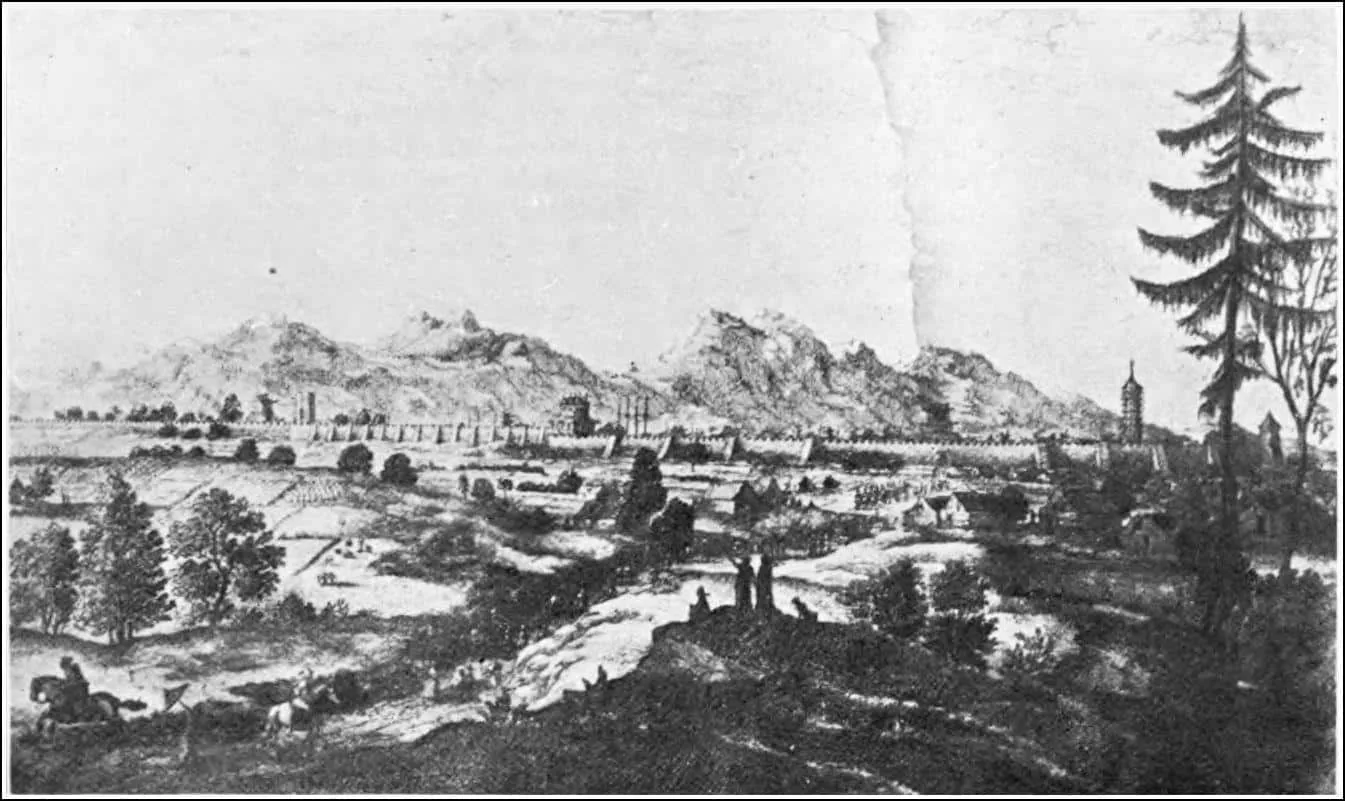
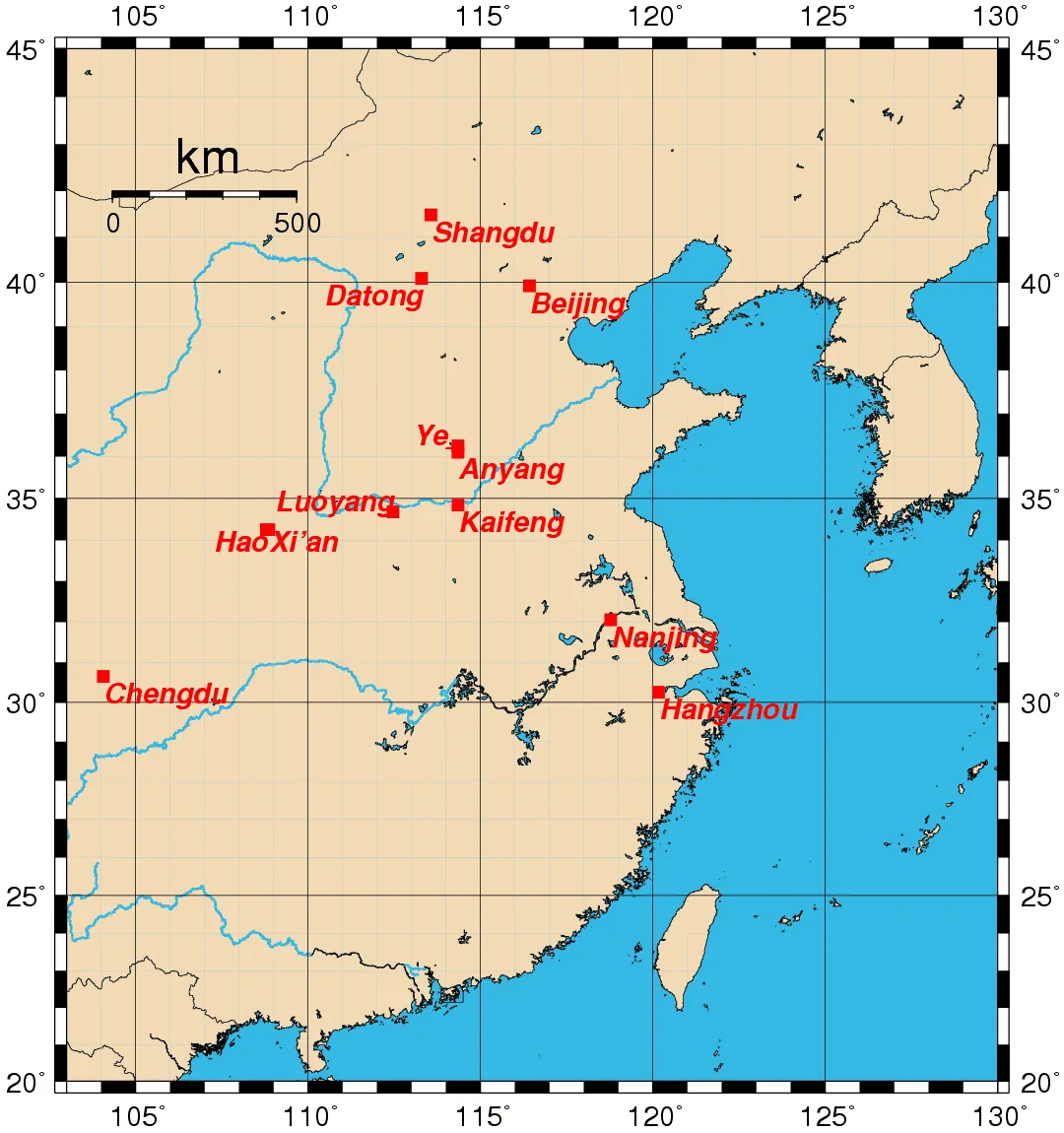
One cannot talk about ancient Chinese cities without mentioning the capital, Beijing. Long before it was Peking, the settlement here was Ji (Jicheng), capital of the Yan state, one of the seven powers of the Warring States period. That is why Beijing carries the old name Yanjing. Ji traces back to the founding of the Zhou around 1045 B.C., so the city sits on roughly 3,000 years of history. It only became an imperial capital much later, under the Jurchen Jin (as Zhongdu), then the Yuan (as Dadu), the Ming, and the Qing, the four dynasties that built the Beijing you can walk today. This city is a treasure trove of ancient Chinese culture, with artifacts and monuments that record the lives and traditions of the people who lived through those eras. For more on Beijing’s history, visit the official Beijing Tourism website.
#2: Anyang, First Known Capital of China
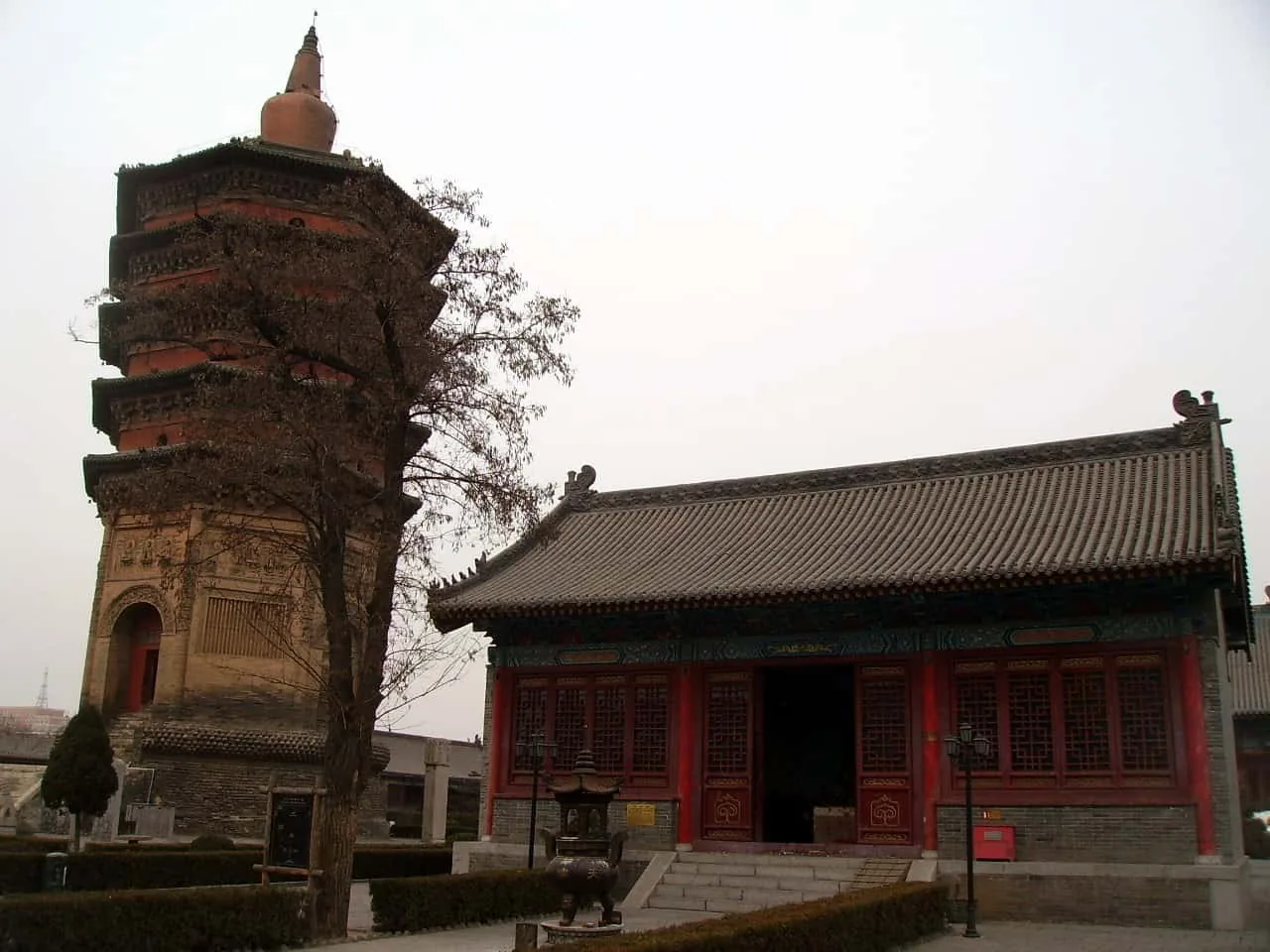
Anyang, located in Henan Province in mid-eastern China, was the capital of seven dynasties over 500 years. Historians place Anyang in the Shang Dynasty (1600–1046 BC) during the Yin Period. It is here that the famous Book of Changes originated. Other significant relics found include oracle bones: bones or tortoise shells with inscriptions from the same era, considered the earliest form of Chinese writing. Learn more about the ancient capital of Anyang by exploring this Anyang City Guide.
#3: Hangzhou, Capital of the Southern Song Dynasty
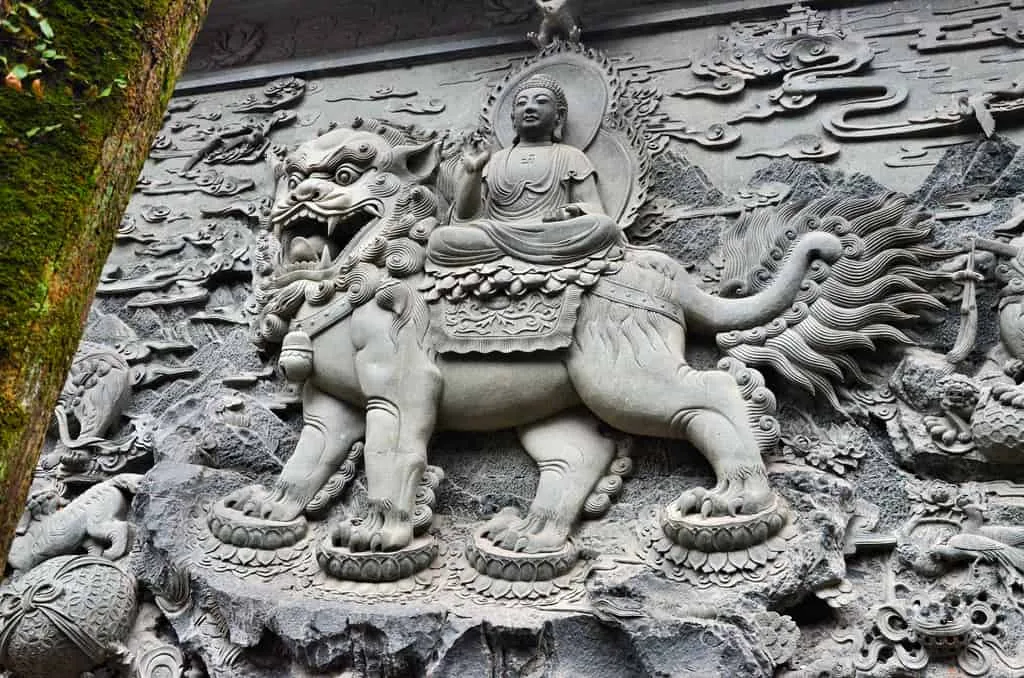
Hangzhou, the youngest of the ancient cities, was the capital of the Wuyue Kingdom (907–978) during the Five Dynasties and Ten Kingdoms period. It later became the capital of the Southern Song Dynasty. Located southwest of West Lake in North Zhejiang Province (southeast coast), Hangzhou was famously described as a place where “heaven and earth meet.” The city’s scenic beauty includes private gardens, clean rivers, and picturesque bridges. Discover more about Hangzhou’s cultural significance on the Hangzhou Tourism website.
#4: Nanjing, Early Ancient Capital In China From 265 AD
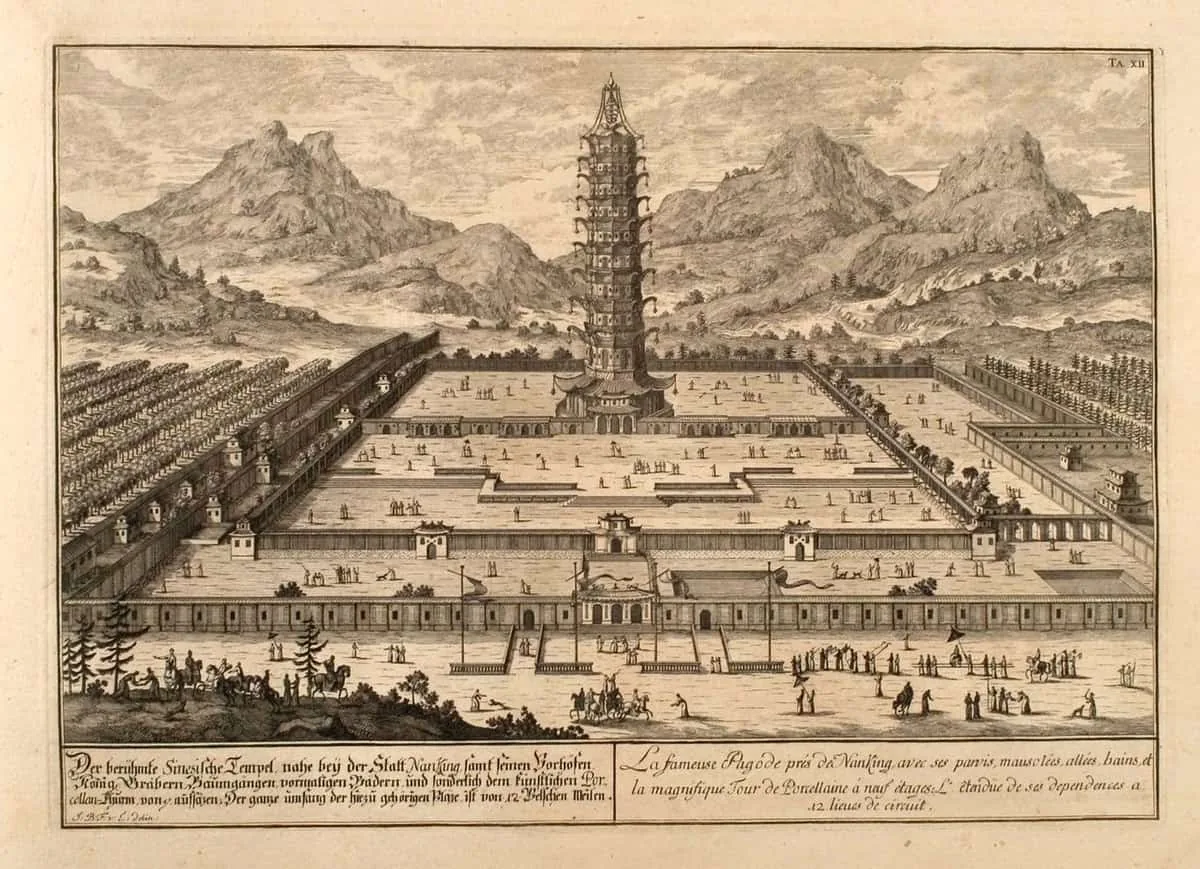
Nanjing was the capital for six dynasties spanning nearly 500 years, making it one of the top four must-see historic cities in China. Once one of the world’s largest cities, Nanjing had a population of over one million. Located in Southwest Jiangsu Province in Eastern China, Nanjing is known for its cultural and historical significance. A popular activity is taking a night cruise on the Qinhuai River to enjoy the stunning scenery and vibrant nightlife. For a deeper dive into Nanjing’s history, visit the Nanjing Tourism website.
#5: Kaifeng, Previously Known As Dongjing or Bianjing
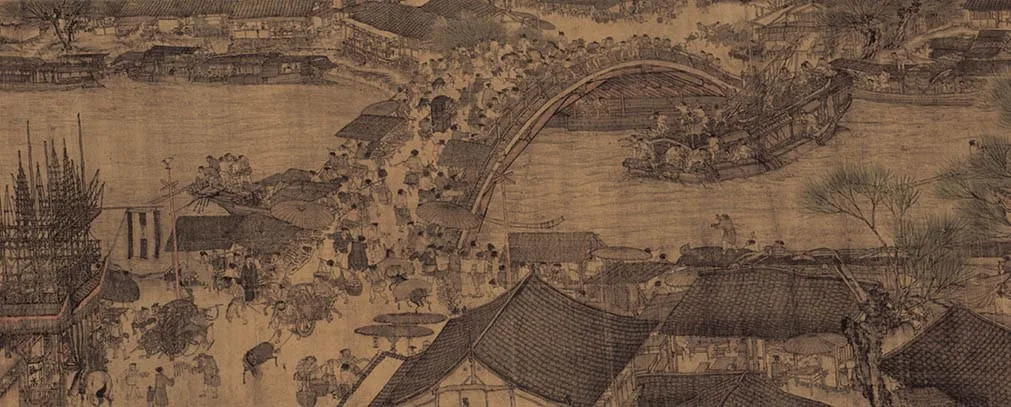
Kaifeng, a city with a 2,700-year history, served as the capital for eight dynasties. It is recognized as one of the birthplaces of Chinese cultural and historical elements. The famous painting, Ascending the River at Qingming Festival, by Zhang Zeduan (1085–1145 AD), depicts Kaifeng during its peak. Located in Mid-Eastern Henan Province, Kaifeng is unique for maintaining a central axis in city planning throughout various reigns, although few relics remain due to historical damage. Learn more about Kaifeng’s rich history by visiting the Kaifeng Travel Guide.
#6: Xi’an, First Imperial Capital Of China
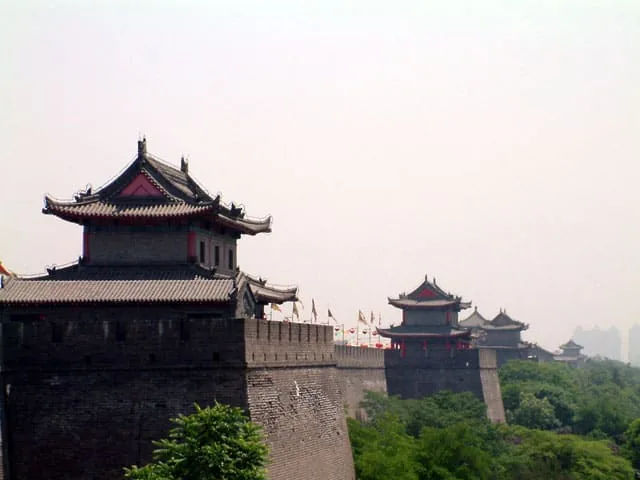
Xi’an, located in Shaanxi Province in Central China, was the capital for 13 dynasties over 1,200 years. This makes it one of the oldest and most enduring ancient cities in China. Xi’an is considered the birthplace of Chinese civilization, and of the nation itself. UNESCO has recognized Xi’an as a World Cultural and Historical City, ranking it among the Top Ten Historic Capitals globally. Xi’an is also known as one of the most advanced cities in ancient China. For more details about Xi’an, visit the Xi’an Tourism website.
#7: Luoyang, the Earliest of the Four Great Ancient Capitals
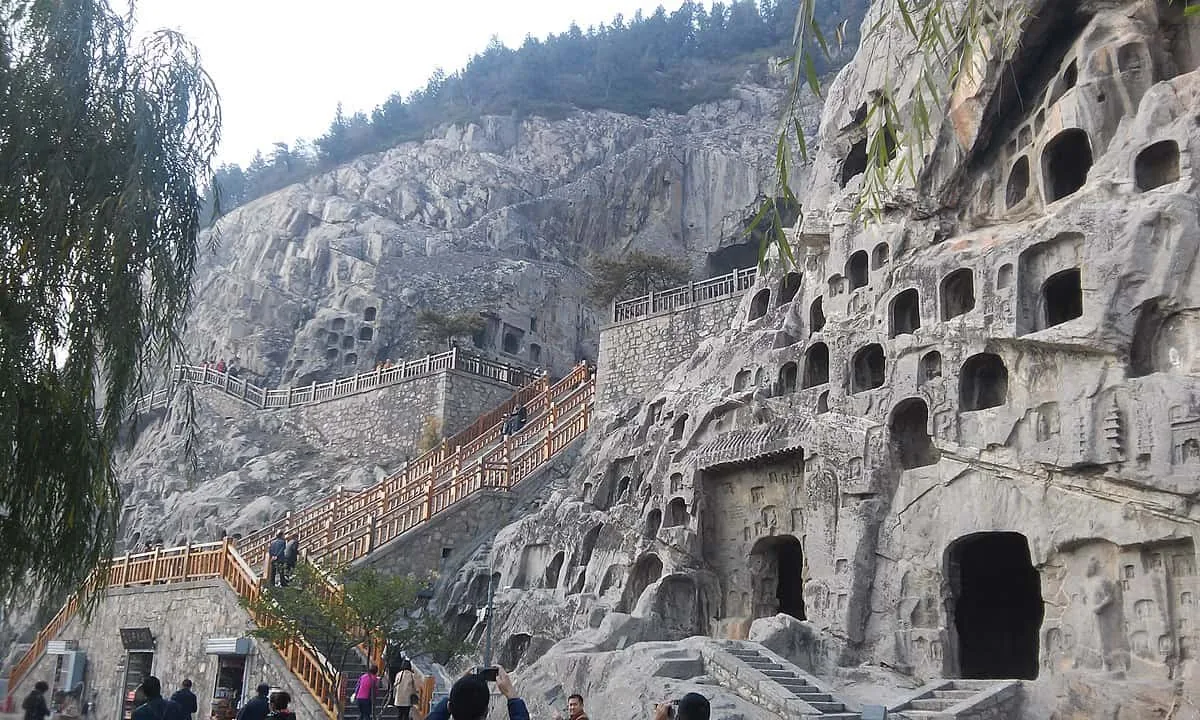
Located in western Henan Province in mid-eastern China, Luoyang served as the capital for 13 dynasties, from the Eastern Zhou through to the Later Tang, which makes it the earliest of China’s Four Great Ancient Capitals and gives the city more than 4,000 years of history. It is considered the first city in China to host Buddhist temples and grottoes. A reason to visit is the cluster of World Cultural Heritage sites in and around the city: the Dingding Gate, the Hanjia Granary of the Grand Canal, the Han-Wei Luoyang City ruins, the Huiluo Granary, and the Longmen Grottoes. In ancient China, Luoyang was one of only two cities to earn the title Shendu, which translates to “the capital of God.”
Ancient China Map
Two ancient towns worth adding: Pingyao and Lijiang
The seven above are the great dynastic capitals. If you want the other side of old China, the small walled town rather than the imperial city, two ancient towns stand out. Both are UNESCO World Heritage sites, both are on the high-speed rail network, and both survive largely intact rather than as reconstructions.
Pingyao, the Ming walled city
Pingyao, in central Shanxi, is the best-preserved walled town in China. Its rammed-earth wall was rebuilt in 1370, the third year of the Hongwu Emperor of the Ming, and still runs its full circuit of roughly 6,163 meters, close to 40 feet high in places, with the old street grid and courtyard houses inside it more or less as they were. Pingyao is also where China’s early banking houses, the piaohao, first issued paper drafts, so the town reads like a Qing-era financial district frozen in place.
Getting there is easy: the Pingyao Ancient City high-speed rail station opened in 2014 and sits on the Datong to Xi’an line, about 10 km from the wall. A through-ticket costs around CNY 125, is valid for three days, and covers close to twenty sites including the wall and the old bank courtyards. The scenic area opens 08:00 to 18:00 from April to October, and 08:00 to 17:30 in the colder months. For meetings or sourcing in Shanxi built around a heritage visit, a Pingyao interpreter can handle the lacquerware and handicraft workshops the region is known for.
Lijiang, the old town with no wall
Lijiang, in northwest Yunnan, is the exception that proves the rule. It is the one famous Chinese ancient town built without a city wall. The hereditary Mu family governed here for more than 500 years, and the story goes that enclosing their surname, the character 木 (mu), inside a frame would make the character 困 (kun), meaning besieged, so no wall was ever raised. Instead the Naxi builders laid the town along canals fed by the Jade Dragon Snow Mountain, with the Mu Mansion at its heart.
The old town was inscribed by UNESCO in 1997 and is open around the clock, with a 50-yuan maintenance fee that is valid for a full year rather than a single visit. It is on the rail network too: high-speed trains from Dali reach Lijiang in about 1.5 to 2.5 hours. This is quieter B2B territory than Pingyao, but for Yunnan tea, silver and woodcarving, a Lijiang interpreter knows which workshops along the old Tea-Horse Road are worth your time.
How to visit these ancient Chinese cities
Most of these ancient Chinese cities are now a few hours apart by high-speed train, which changes how you plan a trip. Xi’an, Luoyang and Kaifeng sit on the same east-west corridor through Henan and Shaanxi, so you can string the old capitals together in a single week without flying. Anyang is on the Beijing to Zhengzhou line; Hangzhou and Nanjing are both short hops from Shanghai.
A few practical notes. City walls and grottoes keep daytime hours, usually opening around 08:00 and closing between 17:00 and 18:00, and the Ming-era walls at Xi’an and Pingyao are best walked early before the tour groups arrive. Museum sites such as Yinxu at Anyang and the Longmen Grottoes at Luoyang reward a slow morning rather than a rushed hour. Bring your passport: it is required to collect train tickets and to enter most state museums.
The harder part is not logistics, it is context. A wall or a granary means little without the history that fills it. A local guide or interpreter who knows the record first-hand turns a list of monuments into a story you can actually follow, and, in a working city, keeps a factory or supplier meeting running in the same day.
Ancient Chinese cities: common questions
Which is the oldest ancient city in China? Luoyang is usually given the title, as the earliest of the Four Great Ancient Capitals, with a city history stretching back more than 4,000 years and 13 dynasties that ruled from there. Anyang runs it close, as the last capital of the Shang and the source of the oracle bones, the earliest known Chinese writing.
What are the Four Great Ancient Capitals of China? Xi’an, Luoyang, Nanjing and Beijing. Kaifeng and Hangzhou are frequently added to make an “eight great capitals” list, which is why they appear above.
Are any of these ancient cities walled today? Yes. Xi’an keeps a complete Ming-era wall you can cycle around, and Pingyao keeps the best-preserved town wall in the country, rebuilt in 1370. Nanjing retains long stretches of its Ming wall. Lijiang, unusually, never had one at all.
Can you reach them by high-speed rail? Almost all of them. Xi’an, Luoyang, Nanjing, Hangzhou, Anyang and Pingyao are on the high-speed network, and Lijiang is reached by fast train from Dali. Beijing is a national hub. Kaifeng sits minutes from Zhengzhou, a major junction.
China has a very long history of ancient cities, which makes it one of the most sought-after destinations for travelers interested in heritage. If you visit, a local guide who knows the history first-hand turns a list of monuments into a coherent story.
Your dates. My quote.
Twelve hours.
Send your cities, dates and product list. You'll get a fixed written quote, no obligation, no deposit to ask.
superinterpreter · selina@mychinainterpreter.com · Xiamen, China · UTC+8